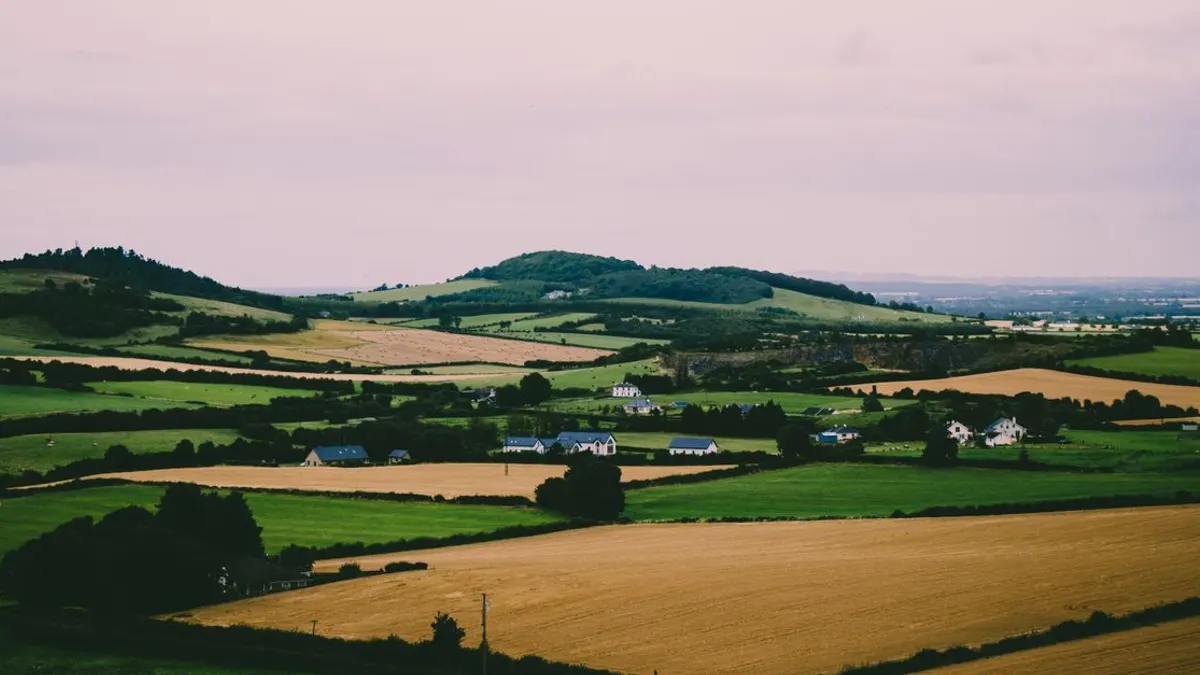
Things to Do in Ireland
Ireland punches well above its weight. A small island that somehow contains some of Europe’s most dramatic coastline, a Medieval heritage trail, five hundred years of whiskey-making, and a pub culture that turns strangers into friends within the hour. Whether you have four days or four weeks, there is no shortage of things to do in Ireland — the challenge is narrowing it down.
Stand on Ireland’s Most Iconic Natural Landmarks
Start with the landscapes. Ireland’s natural highlights are genuinely world-class, and most are accessible without specialist gear or early-morning queues.
The Cliffs of Moher and the Burren
The Cliffs of Moher rise to 214 metres along eight kilometres of Atlantic coastline in County Clare. Go in the late afternoon when the coach groups have thinned and the light turns the sandstone amber. The Burren, just inland, is equally compelling: a limestone plateau studded with rare Alpine and Mediterranean flowers growing side by side, a botanical quirk unique in Europe.
The Giant’s Causeway
In Northern Ireland, the Giant’s Causeway delivers something genuinely strange — around 40,000 interlocking basalt columns formed by ancient volcanic activity, marching into the sea. Pair it with a drive along the Causeway Coast, stopping at the Carrick-a-Rede rope bridge and Dunluce Castle en route.
Connemara and the Wild Atlantic Way
The Wild Atlantic Way stretches over 2,500 kilometres from Donegal to West Cork. You will not drive all of it in one trip, but the Connemara section — bogs, lakes, quartzite mountains — is among the most photogenic. Kylemore Abbey, tucked at the foot of the hills beside a glittering lake, is worth the short detour.
Drive the Ring of Kerry and County Kerry’s Highlights
Driving the Ring of Kerry is a full day, covering 179 kilometres of coast, mountains, and glacier-carved peninsulas. Counterclockwise travel is recommended to avoid the worst of the coach traffic. The Skellig Ring (a detour off the main circuit) gives views of Skellig Michael, the sixth-century monastic island that doubles as a Star Wars filming location. County Kerry also contains the Dingle Peninsula — quieter and arguably more beautiful — and the Gap of Dunloe, best explored on foot or by jaunting car.
Explore Ireland’s Castles and Ancient History
Ireland has over 30,000 castles and castle ruins. That number is staggering until you drive across the midlands and start spotting towers in every field.
Must-Visit Castles
- Rock of Cashel (Tipperary): A cluster of Medieval buildings — a round tower, a cathedral, a chapel covered in Romanesque carvings — rising from a limestone outcrop in the Golden Vale. Free to reach the base; entry fee for the complex.
- Kilkenny Castle: Fully restored, its Long Gallery contains a painted roof that is one of the finest interiors in the country. The city around it is compact, walkable, and full of craft shops and independent restaurants.
- Blarney Castle (Cork): The stone itself is up a tight spiral staircase; the grounds, which include a poison garden and a druid circle, are worth as much time as the castle.
If you want to take the Irish Castles to Visit experience further, several castles in Ireland double as hotels — see our guide to Castles You Can Stay In.
Discover Dublin and Ireland’s Cities
Dublin needs at least two full days. Trinity College’s Long Room library and the Book of Kells are genuinely unmissable. The Guinness Storehouse is touristy but entertaining. The Chester Beatty Library, hidden inside Dublin Castle’s grounds, houses one of the finest collections of Islamic manuscripts and East Asian art in Europe — and it is free.
Outside the capital:
- Galway City: Small, walkable, brilliant for traditional music any night of the week. Shop Street flows into Quay Street; give yourself an afternoon simply to wander.
- Belfast: The Titanic Belfast museum is the standout attraction — six floors tracing the ship’s construction and sinking with impressive attention to detail. The Cathedral Quarter pubs have live music at weekends.
- Cork: Ireland’s second city, fiercely proud of the English Market (a Victorian covered food market still in daily use), Ballymaloe, and its position on a river that splits the city into islands.
Walk, Cycle, and Hike
Ireland is compact enough to reward slow travel by foot or bicycle.
The Wicklow Way (County Wicklow, less than an hour from Dublin) passes through heather moorland, ancient oak woodland, and mountain passes over 131 kilometres. Most walkers do it in sections across five to seven days. County Wicklow accommodation runs from farmhouse B&Bs to a handful of comfortable hotels in Blessington and Roundwood.
The Camino Irlandés (Irish Camino) connects Galway to Croagh Patrick in Mayo — a pilgrimage route that follows older drove roads and Mass paths through the west. County Mayo also offers the Great Western Greenway, a 42-kilometre off-road cycling trail between Westport and Achill Island.
For sea kayaking, the sheltered inlets around Kenmare in Kerry and around Donegal’s Slieve League cliffs offer conditions that suit beginners through to experienced paddlers depending on the day.
Taste Ireland: Whiskey, Seafood, and Pub Culture
Irish food has improved dramatically over the past two decades. The west coast in particular is exceptional for seafood: oysters at Moran’s on the Weir near Kilcolgan (Galway), chowder at Doolin’s village pubs before a Cliffs of Moher visit, crab claws in Dingle.
The Irish whiskey distillery scene has expanded rapidly. Midleton Distillery (Cork), Tullamore D.E.W. Heritage Centre (Offaly), and Teeling Distillery (Dublin’s Liberties) all run tours that include tutored tastings. The Irish Whiskey Museum on Grafton Street is a good primer if you are short on time.
Ireland’s pub culture is not performance — it is functional. Traditional music sessions in Doolin, Ennis, and Sligo happen without a ticketing system or a cover charge. Find a seat, order a pint, and listen.
When to Book
Summer (June–August) remains peak season, especially along the Wild Atlantic Way and in Kerry. January to March is the best window to book summer accommodation, particularly for coastal villages, popular B&Bs, and any self-catering property that sleeps six or more. The Aran Islands in particular fill fast for June and July, with availability often exhausted by February.
We may earn a commission from bookings made through links on this page, at no extra cost to you.
FAQ
What are the must-do things in Ireland for a first-time visitor? The Cliffs of Moher, a drive along the Ring of Kerry, and a day in Galway City are widely considered the three experiences that define a first Ireland trip. Add Belfast’s Titanic museum if you have an extra day and are comfortable crossing the border (which requires no formalities). Our First-Timer’s Guide to Ireland lays out a logical route.
How many days do I need to see Ireland properly? Seven days allows you to cover Dublin, the west coast, and one southern route at a comfortable pace. Ten to fourteen days opens up Donegal, the Aran Islands, Northern Ireland, and the slower pleasures of the midlands and Ancient East. See our 7-Day Ireland Itinerary for a detailed day-by-day breakdown.
Is it easy to get around Ireland without a car? Dublin, Galway, and Belfast are navigable by public transport. Beyond the cities, bus and train connections are limited and infrequent — a hire car transforms your options. See our Driving in Ireland guide for everything you need to know about left-hand traffic, narrow roads, and where to fuel up.
Related: The Ultimate Ireland Road Trip Itinerary · Where to Stay in Ireland · Best Time to Visit Ireland