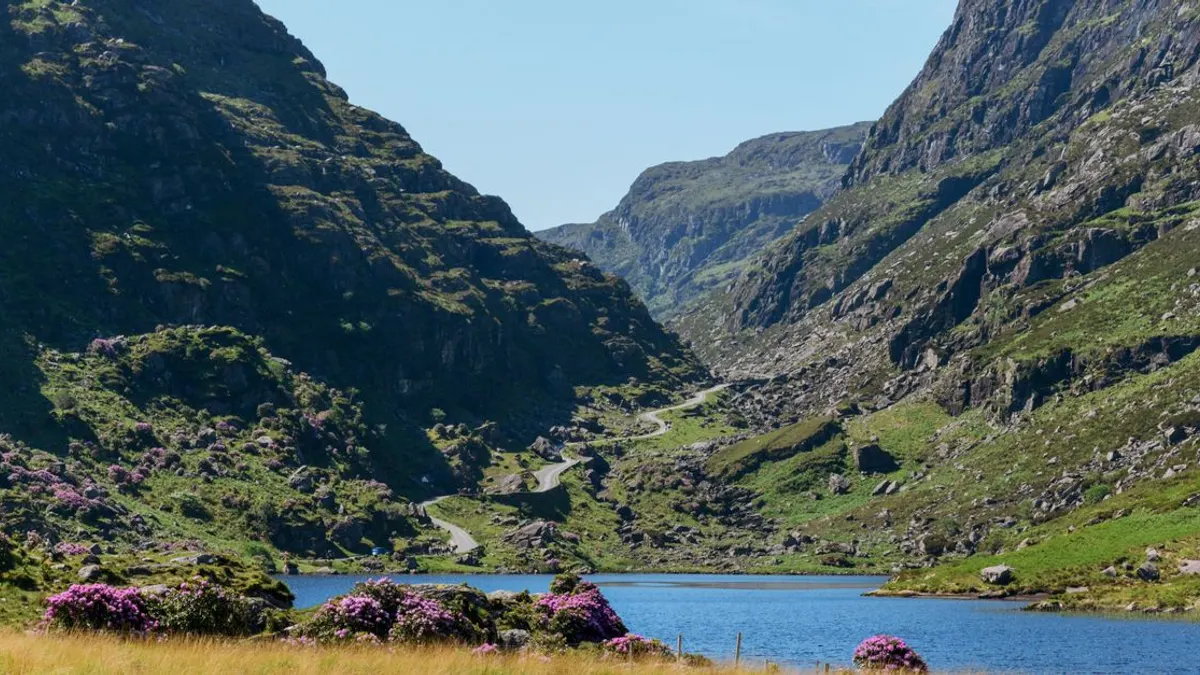
Best Time to Visit Ireland
Ireland rarely offers a guarantee of sunshine — but it does offer something better: a landscape that looks magnificent in almost any weather, a warmth from its people that no thermometer can measure, and an extraordinary range of experiences that shift with the seasons. Knowing the best time to visit Ireland comes down to what you want from the trip.
Summer (June–August): Peak Season, Best Weather
This is Ireland’s most popular window, and for good reason. Daylight stretches past 10 pm in June, temperatures hover between 16–20 °C across most of the island, and the countryside is at its greenest. The Wild Atlantic Way is alive with walkers and cyclists, the Cliffs of Moher draw enormous crowds by mid-morning, and towns like Dingle and Killarney hum with traditional music sessions every night of the week.
The trade-off is cost and availability. Guesthouses in County Kerry and Connemara fill up fast; prices for coastal cottages can double compared to spring. Book well in advance, particularly for July school holidays.
Highlights in summer
- Galway Arts Festival (late July) — one of Europe’s largest arts festivals, transforming Galway City.
- Rose of Tralee (August) — a beloved Irish institution drawing visitors from the diaspora worldwide.
- Long evenings perfect for driving the Ring of Kerry.
Spring (March–May): Fresh, Quiet, Rewarding
Spring is quietly becoming the smartest time to visit Ireland. The St Patrick’s Day celebrations on 17 March kick off the season with parades and live music in every city — Dublin, Cork, Belfast, and Kilkenny all put on memorable events.
By April and May, wildflowers line the Burren in County Clare, lambs dot the fields of County Wicklow, and visitor numbers are a fraction of summer’s. You’ll find accommodation at reasonable rates, and many hiking trails — including those on Achill Island in Mayo — are at their most walkable before summer’s wear.
Temperatures sit between 8–14 °C, so pack layers. Rain is always possible, but spring showers tend to pass quickly.
Autumn (September–October): Golden Light, Lower Prices
September is arguably the single best month to visit Ireland if you want a blend of decent weather and manageable crowds. The harvest light turns Donegal’s cliffs golden, the tourist buses have thinned out along the Causeway Coast, and accommodation — from spa hotels in Kenmare to self-catering cottages on the Aran Islands — drops noticeably in price from the August peak.
October brings the Galway International Oyster Festival and Westport’s lively arts season. Halloween — a festival that actually originated in Ireland from the Celtic Samhain — is celebrated enthusiastically across the country, particularly in Derry, which hosts one of Europe’s largest Halloween parades.
Winter (November–February): Atmosphere Over Sunshine
Ireland in winter is not for beach holidays, but it is for atmosphere. Ancient sites on Ireland’s Ancient East — Newgrange, Rock of Cashel, Kilkenny Castle — are at their least crowded and most atmospheric in low grey light. Christmas markets pop up in Dublin, Belfast, and Ennis. Hotel rates in cities drop substantially.
The Giant’s Causeway in winter is genuinely dramatic — stormy seas crashing against the basalt columns with almost no queue for the visitor centre. Sligo, beloved by W.B. Yeats, is particularly evocative under an iron winter sky.
The key consideration: some rural glamping sites and island ferries reduce schedules or close entirely from November to March.
When to Book
Demand peaks in January and February for summer stays, particularly for popular coastal accommodation in Kerry, Galway, and Donegal. If you’re planning a July or August trip to the west coast:
- Book accommodation at least 4–6 months ahead.
- For bank holiday weekends (June and August), 6–8 months is safer.
- Spring and autumn stays can often be secured 4–8 weeks out, with good last-minute deals available midweek.
We may earn a commission from bookings, at no extra cost to you.
Practical Tips for Any Season
- Layers are non-negotiable. Even in August, pack a waterproof jacket. The west coast can deliver four seasons in one afternoon.
- Drive on the left. If this is new to you, read our guide to driving in Ireland before you arrive.
- Ferries and flights. Many visitors combine a flight to Dublin with a ferry crossing to explore outlying islands. See our getting to Ireland guide for routes from the UK and France.
- Car hire is almost essential outside of Dublin and the main cities. Factor travel insurance into your planning via our travel insurance and car hire guide.
FAQ
What is the best month to visit Ireland for good weather? June and July offer the best combination of long daylight hours and the warmest temperatures, typically 16–20 °C along the coast. That said, rain can arrive in any month — a lightweight waterproof jacket is always worth packing.
Is Ireland worth visiting in winter? Yes, particularly if you enjoy atmospheric historic sites, quieter roads, and significantly lower accommodation prices. Cities like Dublin and Belfast have strong cultural programmes through December, and coastal scenery can be genuinely spectacular in stormy weather.
When is Ireland at its most crowded? July and August are the busiest months, especially along the Wild Atlantic Way, around the Cliffs of Moher, and in Killarney. St Patrick’s Day weekend in March also draws large crowds to city centres.
Related: Where to Stay in Ireland · The Ultimate Ireland Road Trip Itinerary · A First-Timer’s Guide to Ireland