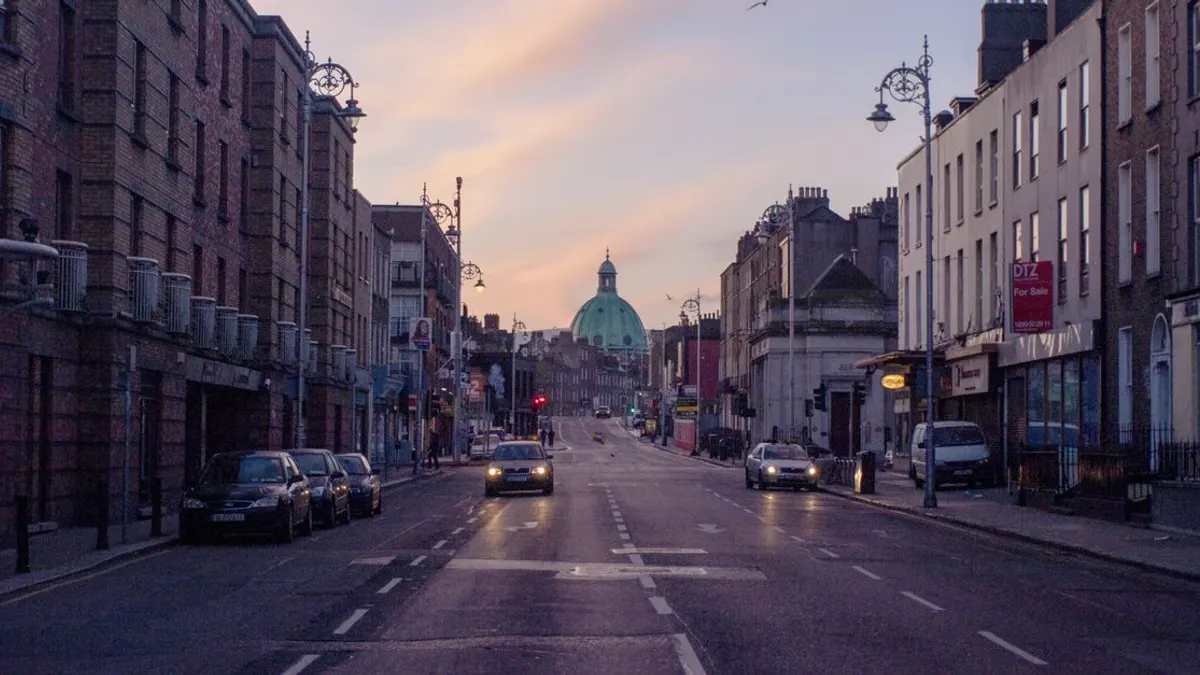
Where to Stay in Dublin: Best Areas
Dublin is a city you can walk across in under an hour, yet each neighbourhood has its own distinct personality. Choosing the right area for your dublin accommodation makes a real difference to how you experience the city — whether you want cobblestones and late-night pubs on your doorstep or a quieter base within easy reach of DART stations.
Temple Bar & The Liberties: Central and Lively
Temple Bar is the obvious first choice for first-time visitors. The cobbled lanes are lined with pubs, galleries, street food stalls and the weekend market on Meeting House Square. It is loud and genuinely lively — which is brilliant if you want to be in the thick of it, but less ideal if you plan early starts or travel with young children.
The Liberties, just to the west, sits beside Guinness Storehouse and the old Iveagh Markets. Accommodation here tends to be slightly cheaper than Temple Bar itself, and you can walk to the city centre in fifteen minutes. Boutique guesthouses and mid-range hotels cluster around Thomas Street.
Worth knowing
Hotels on or just off Dame Street give you immediate access to Trinity College, Dublin Castle and the Chester Beatty Library without needing public transport.
Docklands & Grand Canal Dock: Modern and Well Connected
If you prefer a sleek, contemporary setting, Dublin’s Docklands is the area to look at. The old port has been transformed into a business and cultural district, home to the Bord Gáis Energy Theatre and a string of modern hotels. The red LUAS tram line runs directly into the city centre in minutes.
Grand Canal Dock is particularly good for visitors arriving via Dublin Airport who want convenient transport links without paying the premium rates of Temple Bar. There are several large four-star hotels here that regularly offer competitive rates outside conference season.
Southside Georgian Quarter: Leeson Street, Ballsbridge & Donnybrook
For a more residential feel, the wide Georgian streets south of St Stephen’s Green are hard to beat. Leeson Street and Baggot Street are dotted with traditional bed and breakfasts occupying Victorian townhouses — exactly the kind of Dublin accommodation that feels authentically Irish rather than chain-hotel generic. See our Bed & Breakfasts in Ireland guide for tips on what to look for.
Ballsbridge, a short walk or bus ride from the centre, is home to several of Dublin’s best-known hotels and is a favourite with business travellers. The Royal Dublin Society (RDS) holds large events here, so check the calendar before booking — rates can spike considerably around major shows and concerts.
Northside: O’Connell Street, Smithfield & Phibsborough
The northside of the Liffey is often underrated by visitors who default to Temple Bar. O’Connell Street is wide, historic and walking distance from the Garden of Remembrance, the Hugh Lane Gallery and the Gate Theatre. Smithfield, a former horse market, has grown into one of the city’s most interesting neighbourhoods, with independent coffee shops, the Old Jameson Distillery and the Cobblestone pub — an institution for traditional music sessions.
Phibsborough is further out but offers good-value guesthouses and easy access by bus. It suits visitors who plan to rent a car and explore further afield — perhaps venturing down into County Wicklow for a day or linking up with a wider Ireland road trip itinerary.
Rathmines & Ranelagh: Village Atmosphere Close to the Centre
These two southside suburbs, a 20-minute walk or a short bus from St Stephen’s Green, feel genuinely like village high streets. Rathmines has a cluster of guesthouses and small hotels that offer reliable quality at prices noticeably lower than the city centre. Ranelagh is quieter and more residential, favoured by visitors who want good restaurants on their doorstep without the Temple Bar noise levels.
If you are visiting Dublin as part of a longer trip around Ireland, using Rathmines or Ranelagh as a base at the start or end of your journey gives you a calmer arrival and departure experience.
Book Your Dublin Accommodation
We may earn a commission from bookings, at no extra cost to you.
Types of Accommodation in Dublin
Dublin has the full range: large international chain hotels, boutique independents, Georgian B&Bs and a healthy hostel scene around Gardiner Street and Aungier Street. For a deeper look at your options across Ireland, our Types of Accommodation in Ireland guide covers everything from self-catering apartments to castles you can actually stay in.
For city breaks, a central hotel or guesthouse tends to work better than self-catering unless you are a group of four or more. Families travelling with children may find the family-friendly accommodation section useful for picking the right property type.
When to Book
Dublin accommodation books up fast. The city hosts major concerts at the 3Arena, international rugby and football at the Aviva Stadium, and two St Patrick’s Festival weekends in March that fill every hotel in the city. Book at least three months ahead for summer stays (June–August) and six months ahead for St Patrick’s weekend. January to March is the window when savvy visitors lock in summer rates before prices climb.
FAQ
What is the best area to stay in Dublin for first-time visitors? Temple Bar and the streets immediately around Dame Street and Grafton Street put you within easy walking distance of most of Dublin’s main sights. It is the most convenient location, particularly if you are not hiring a car.
Is it worth staying on the northside of Dublin? Yes. Smithfield and the areas around O’Connell Street offer excellent value compared to the southside and are well connected by LUAS and bus. The northside also has some of Dublin’s best traditional pubs and live music venues.
How far is Dublin Airport from the city centre? Dublin Airport is approximately 10 km north of the city centre. The Aircoach bus service runs frequently to O’Connell Street and other city stops, and the journey takes around 30–45 minutes depending on traffic. A taxi or ride-share takes a similar time.
Related: Where to Stay in Ireland — Where to Stay in Kilkenny — Getting to Ireland: Ferries, Flights & Car