Where to Stay in Belfast
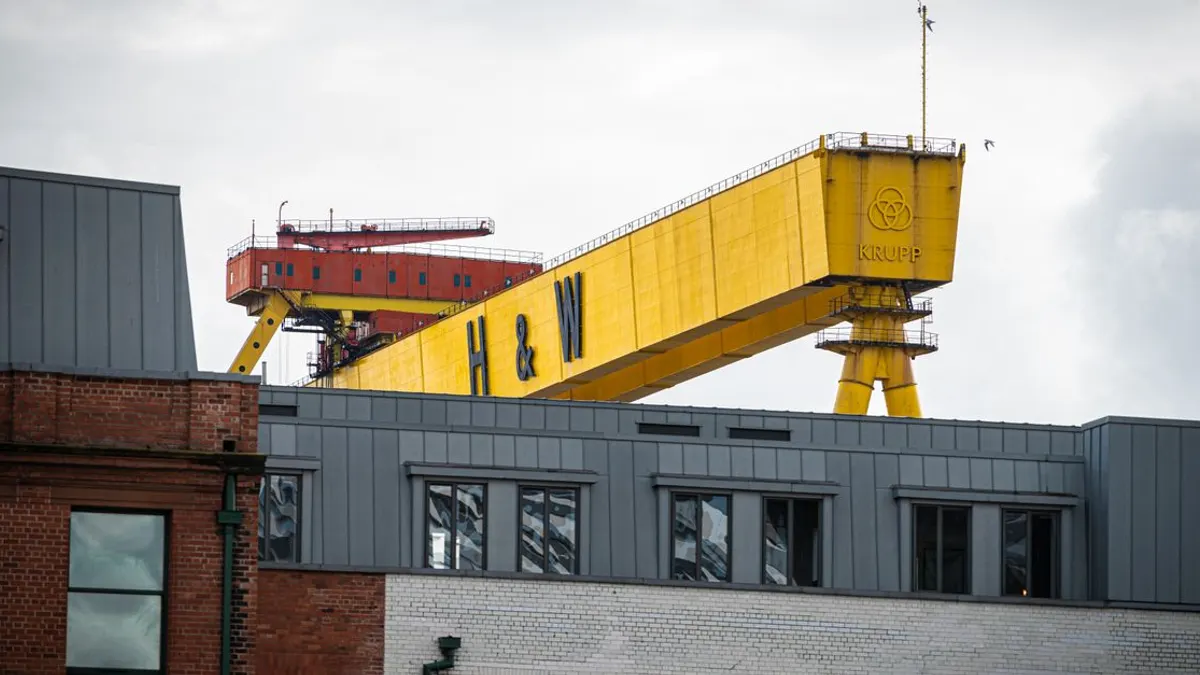
Belfast has reinvented itself. The city that gave the world the Titanic now offers one of the most energetic short-break destinations on the island of Ireland — a compact, walkable centre packed with Victorian architecture, world-class restaurants, craft-beer bars and a cultural scene that punches well above its weight. Choosing the right Belfast accommodation shapes your whole trip, so here is a neighbourhood-by-neighbourhood breakdown to help you decide.
The City Centre: Convenience Above All
The Cathedral Quarter and the streets around City Hall are the default choice for first-time visitors, and for good reason. Everything is within walking distance: the Titanic Belfast museum (a 20-minute stroll across the River Lagan), St George’s Market, the Crown Liquor Saloon, and the Victoria Square shopping centre. Hotels here range from reliable international chains to independent boutique properties tucked inside converted Victorian warehouses.
If you are spending only one night and need easy access to Belfast Central or Great Victoria Street stations, a city-centre hotel eliminates any transport hassle. Parking in central Belfast can be expensive, so if you are arriving by car, check whether your accommodation includes off-street parking or has a deal with a nearby NCP.
Cathedral Quarter
The Cathedral Quarter — centred on Hill Street and Exchange Place — is Belfast’s creative heartland. Cobbled laneways, independent coffee shops and live-music venues make it the most atmospheric pocket of the city. Boutique guesthouses and small hotels here tend to sell out faster than larger properties, particularly around the Belfast International Arts Festival (October) and the Belsonic music festival (June).
South Belfast: Leafy, Lively, and Well Connected
The stretch of Botanic Avenue and the streets around Queen’s University forms the student quarter, but do not let that put you off. South Belfast is home to some of the city’s most pleasant guesthouses and independent hotels, many of them in converted Victorian terraces. The Botanic Gardens are on your doorstep, Stranmillis village has excellent cafés and delis, and the Ulster Museum is free to enter.
For budget-conscious travellers, South Belfast offers better value than the city centre without sacrificing character. The Glider rapid-transit bus connects the area to the centre in under ten minutes.
If you are looking for a bed and breakfast in Ireland with genuine local character, the guesthouses along Eglantine Avenue and Wellington Park are worth a look — family-run, generous breakfasts, and hosts who actually know the city.
East Belfast: Titanic Quarter and the Waterfront
The Titanic Quarter on the eastern bank of the Lagan has been transformed over the past decade. The striking Titanic Belfast museum is the centrepiece, but the area also has the SSE Arena (a major concert and events venue), the Titanic Studios (where Game of Thrones was filmed), and a growing number of waterfront apartments available on self-catering platforms.
Staying here suits visitors whose primary reason for coming is the Titanic experience itself, or those attending events at the SSE Arena. It is quieter in the evenings than the centre, which some travellers appreciate.
North Belfast: Emerging and Affordable
The Antrim Road corridor and the areas around Cliftonville are gradually developing a modest tourism infrastructure, with a few guesthouses and self-catering options offering significantly lower rates than the centre. This suits independent travellers who prefer to explore off the beaten track and are comfortable navigating the city by Translink Metro bus.
Types of Belfast Accommodation
Belfast has a full range of property types to suit different budgets and travel styles.
- Hotels: The city has several large, well-equipped hotels near the waterfront and around the Europa Bus Centre — useful if you are connecting onward to the Causeway Coast or heading south through Ireland.
- Guesthouses and B&Bs: South Belfast and the streets around Queen’s University have some of the warmest, most personal options. See our guide to guesthouses in Ireland for what to look for.
- Self-catering apartments: Ideal for longer stays or families. The Titanic Quarter and the Cathedral Quarter both have contemporary apartment complexes. Our self-catering Ireland guide covers the key questions.
- Hostels: Several well-run hostels operate in the city centre, catering to solo travellers and backpackers. Read more in our hostels in Ireland overview.
Day Trips from Belfast
One of Belfast’s practical advantages is its position as a base for Northern Ireland’s greatest natural sights. The Giant’s Causeway is roughly 90 minutes by car or bus — read our guide to visiting the Giant’s Causeway before you go. The Causeway Coastal Route, one of the most scenic drives in Europe, is equally accessible; our Causeway Coast accommodation guide is useful if you want to split the journey with an overnight stop.
If you are planning to continue south into the Republic, Dublin is two hours by train or Translink coach, and the route passes through some fine countryside.
When to Book
Belfast accommodation fills quickly around the major festivals: the Cathedral Quarter Arts Festival (May), Belsonic (June), and the Belfast International Arts Festival (October). St Patrick’s weekend in March sees the city particularly busy. Book at least six to eight weeks ahead for those dates. For summer travel (July–August), demand is highest in July due to the Twelfth of July public holiday; many Belfast visitors choose that week to explore the rural regions instead.
We may earn a commission from bookings made through our links, at no extra cost to you.
FAQ
Q: Is Belfast safe for tourists? Belfast is a safe and welcoming city for visitors. The peace process has transformed it into a thriving tourist destination, and the city centre, South Belfast and the Cathedral Quarter are all well-policed and busy with visitors year-round.
Q: Do I need a car to get around Belfast? Not at all. The city centre is compact and walkable, and the Translink Metro bus and Glider rapid-transit routes connect the main accommodation areas efficiently. A car is useful mainly if you plan to explore the Causeway Coast or the Antrim Glens independently.
Q: Is Belfast accommodation more affordable than Dublin? Generally, yes. Hotel rates in Belfast tend to be noticeably lower than comparable properties in Dublin, and the range of budget and mid-range options is strong, particularly in South Belfast and around the Cathedral Quarter.
Related: Where to Stay on the Causeway Coast · Where to Stay in Dublin · Where to Stay in Ireland