A First-Timer’s Guide to Ireland
Ireland for first timers can feel overwhelming — forty shades of green, two jurisdictions, a coastline that refuses to sit still. This guide cuts through the noise and tells you what actually matters: where to base yourself, how to move around, and what not to miss on a first trip.
How Long Do You Need?
A week is the realistic minimum. Seven nights lets you combine Dublin with one rural region — say, the Wild Atlantic Way or the Ancient East. With ten or fourteen days you can loop the island properly, though you will still leave wanting more.
A 7-day Ireland itinerary is a good starting framework: two nights Dublin, then a clockwise sweep south through Kilkenny and Cork, west into Kerry, and back via Galway.
Getting There and Getting Around
Most transatlantic flights land at Dublin Airport (DUB). London, Paris, Amsterdam and other European hubs also connect directly to Cork (ORK), Shannon (SNN) and Belfast (BFS). Ferries from Holyhead, Fishguard and Pembroke reach Dublin and Rosslare if you prefer to bring your own car. Full options are covered in the getting to Ireland guide.
Hire a car. Ireland’s public transport outside Dublin is patchy. A hire car unlocks villages, cliff roads and country B&Bs that no bus will ever reach. Driving is on the left, roads are narrow, and distances are deceptive — what looks like 60 km on a map can take 90 minutes on a winding coastal road. Read the driving in Ireland guide before you collect the keys.
Where to Start: Dublin
Almost every first-timer begins in Dublin, and with good reason. The city is compact enough to explore on foot: Trinity College and the Book of Kells, the cobbled lanes of Temple Bar, Merrion Square Georgian townhouses, and a pub culture that still functions as genuine community space rather than tourist theatre.
Which part of Dublin to stay in
The Southside (around St Stephen’s Green and Ranelagh) suits those who want quieter streets without sacrificing walkability. The Northside around Smithfield is cheaper, up-and-coming, and close to the Jameson Distillery. Temple Bar is central but loud after 10 pm. Full neighbourhood breakdowns live in where to stay in Dublin.
Choosing Your Rural Region
You cannot do everything. Pick one or two regions and go deep rather than skimming five in a rush.
The Wild Atlantic Way (West Coast)
The 2,500 km coastal route from Donegal to Cork is Ireland’s headline attraction. Highlights for first timers cluster in County Kerry — the Ring of Kerry, Dingle Peninsula and Killarney National Park — and in County Galway, particularly Galway City and the otherworldly limestone of the Burren. The Cliffs of Moher in County Clare draw enormous crowds; base yourself in the village of Doolin to see them at dawn before the tour buses arrive. Details on staying near the Cliffs of Moher.
The Ancient East
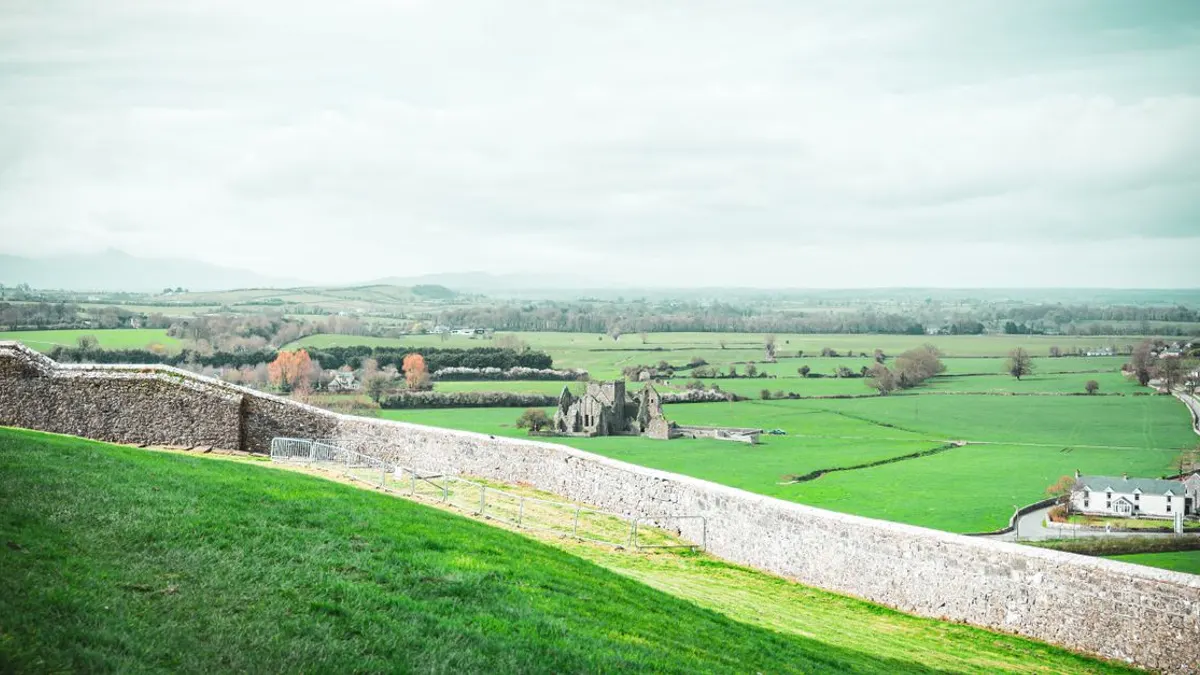
If castles, monastic ruins and rolling green farmland appeal more than Atlantic drama, the Ancient East delivers. Kilkenny has a working medieval castle and a craft-brewing scene that punches well above its size. The Wicklow Mountains — just 45 minutes from Dublin — offer easy hiking and the remarkable monastic city of Glendalough. See where to stay in County Wicklow.
Northern Ireland
Belfast has transformed beyond recognition: the Titanic Quarter, Cathedral Quarter craft bars, and the street art of the Falls and Shankill are all worth a day at minimum. From Belfast, the Causeway Coast — Giant’s Causeway, Carrick-a-Rede rope bridge, the Dark Hedges — is easily done as a day trip or overnight.
Where to Stay: Matching Style to Budget
Ireland’s accommodation range is genuinely wide. A bed and breakfast in Ireland remains the classic choice: family-run, breakfast included, and often the best source of local tips. Self-catering cottages make sense for groups or families who want flexibility. If budget is tight, hostels in Ireland have improved significantly; Galway and Dublin both have excellent options with private rooms available. At the other end, castles you can actually stay in exist across the country — Ashford in Mayo and Dromoland in Clare are the two most celebrated.
For a full overview of every category, the types of accommodation in Ireland page is a useful reference.
We may earn a commission from bookings made through links on this page, at no extra cost to you.
When to Book
Ireland is a year-round destination, but summer (June–August) is peak season. Coastal cottages in Kerry, Connemara and Donegal sell out months in advance. If you are planning a July or August trip, book accommodation by February at the latest. Shoulder season — May and September — offers better availability, lower prices, and softer light that photographers love. October brings the Galway Film Fleadh and harvest-season quiet in the countryside.
Practical First-Timer Tips
- Currency: The Republic uses the euro (€). Northern Ireland uses pound sterling (£). Carry a small amount of cash; many rural pubs and B&Bs still prefer it.
- SIM cards: An Irish SIM (Three or Vodafone Ireland) gives the best rural coverage. If you prefer not to swap cards, an eSIM for Ireland works on most modern smartphones.
- Weather: Pack layers and a waterproof regardless of season. You will experience all four seasons in a single afternoon at least once.
- Tipping: Not mandatory but appreciated in restaurants (10–12 % is standard). Bar staff are not customarily tipped.
- Driving distances: Use Google Maps in satellite mode to check road quality before committing to a route. The N and R road designations matter — N roads move; R roads meander.
For insurance and car hire in one place, see the travel insurance, car hire and eSIMs guide.
FAQ
Q: Do I need a visa to visit Ireland? Citizens of the EU, USA, Canada, Australia and the UK do not need a visa for short stays in the Republic of Ireland. Northern Ireland follows UK entry rules. Always check the Irish Naturalisation and Immigration Service website before travel if you hold a passport from outside the above countries.
Q: Can I drive from Dublin to Galway in a day? Yes — the motorway journey is roughly 2.5 hours. However, the more interesting route via the N6 through Athlone, or south through the Burren, takes considerably longer and rewards the detour. Budget a full day if you plan stops.
Q: Is Ireland expensive for tourists? Dublin and tourist-heavy areas like Killarney are genuinely pricey, especially in summer. Costs drop noticeably in smaller towns and off-season. Self-catering and B&Bs typically offer better value than hotels of comparable comfort.
Related: Where to Stay in Ireland · The Ultimate Ireland Road Trip Itinerary · Best Time to Visit Ireland