Where to Stay on the Causeway Coast (Northern Ireland)
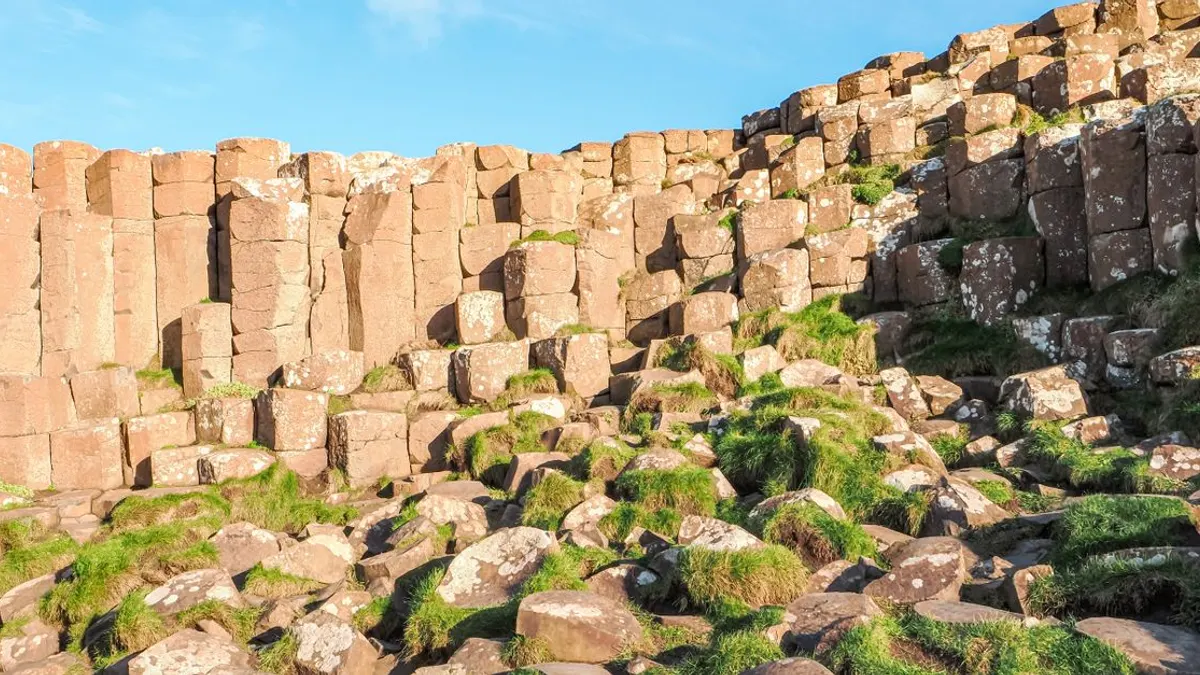
The Causeway Coast stretches roughly 200 kilometres along the north Antrim and north Derry shoreline, and it rewards slow, curious travel. Basalt columns, rope bridges, whiskey distilleries, and some of the most dramatic cliff scenery in Europe all pack into a relatively compact route. Choosing the right base makes the difference between a holiday spent doubling back and one that flows effortlessly from one sight to the next.
Planning Your Causeway Coast Accommodation
Causeway coast accommodation ranges from large seafront hotels in Portrush to isolated self-catering cottages on the headlands east of Ballycastle. The route divides naturally into a western resort zone, a central stretch nearest the Giant’s Causeway, and a quieter eastern arc running towards the Glens of Antrim. Read our wider guide on where to stay in Ireland before narrowing down a base.
For most visitors without a car, staying in Portrush or Coleraine gives good bus and rail connections. Drivers have more freedom and can pick smaller villages that put them closer to the headline sights.
Portrush: the Resort Hub
Portrush is the largest town on the coast and the easiest place to find a concentration of hotels, guesthouses, and B&Bs. The west strand is lined with Victorian terraces converted into family-run guesthouses, while newer hotels have gone up near the harbour. It is a lively spot in summer, with an amusement arcade culture that some visitors love and others prefer to avoid.
What suits Portrush
- Families — the beach, the funfair, and easy parking make it practical with children. See family-friendly accommodation in Ireland for more tips.
- Golfers — Royal Portrush, host of The Open, is a short walk from the town centre.
- Non-drivers — the train from Belfast takes about 90 minutes and stops right in town.
The Giant’s Causeway is roughly 12 kilometres east of Portrush; the drive takes 20 minutes outside peak season.
Bushmills: Closest to the Giant’s Causeway
If your main reason for coming is visiting the Giant’s Causeway, staying in the village of Bushmills puts you about three kilometres from the Causeway itself. The village is small — a handful of pubs, a few B&Bs, and the Old Bushmills Distillery, which is worth a tour.
The Bushmills Inn is the standout property here: a converted coaching inn with turf fires, a mill house restaurant, and rooms spread between the original building and a newer gas-lit annex. It books out well in advance for weekend stays from May through September.
Self-catering cottages scattered across the nearby townlands suit groups who want space and the freedom to cook. Browse self-catering options in Ireland for what to look for in a rural rental.
Ballycastle: the Quieter Eastern Base
Ballycastle sits at the eastern end of the official Causeway Coastal Route and has a different atmosphere to Portrush — more workaday, less touristy, with a proper market town square and a harbour that still sees fishing boats. It is the departure point for the ferry to Rathlin Island.
Accommodation here is mostly B&Bs, small hotels, and a handful of holiday apartments. The town is well placed for day trips west to the Causeway and east into the Glens of Antrim, which Donegal and the Wild North-West travellers sometimes combine into a longer loop.
Ballintoy and the North Antrim Cliffs
The stretch between Bushmills and Ballycastle — taking in Ballintoy Harbour, Carrick-a-Rede Rope Bridge, and White Park Bay — has very little accommodation directly in it, but what exists tends to be memorable. A few working farmhouses offer B&B, and there are holiday cottages available around White Park Bay.
Staying here means accepting a trade-off: extraordinary scenery and genuine quiet, but you will need a car for everything, and dining options in the evening are limited unless you drive into Ballycastle or Bushmills.
Portstewart and the Western Approach
Portstewart, separated from Portrush by a headland, is calmer and slightly more upmarket in feel. It has a long promenade, a Blue Flag strand, and a Dominican college that gives the town a certain quietness outside summer. Several guesthouses and small hotels operate here; it is popular with golfers using Portstewart Strand Golf Club.
For travellers arriving from Belfast, it can make sense to stay one night in Belfast before driving the two-hour coastal road north — or to finish the trip that way.
Types of Accommodation on the Causeway Coast
- Hotels — concentrated in Portrush and Coleraine; a few boutique options near Bushmills.
- B&Bs and guesthouses — strong across all towns; often the best value for a full cooked Irish breakfast. See bed and breakfasts in Ireland for booking advice.
- Self-catering cottages — widely available across the headlands and in village edges; ideal for groups of four or more. Irish cottages explains what to look for.
- Hostels — limited but present in Portrush; suitable for solo or budget travellers. See hostels in Ireland.
- Glamping — a growing option on farms south of the coast road; increasingly popular with couples. Glamping in Ireland covers what is available.
We may earn a commission from bookings made through the links above, at no extra cost to you.
When to Book
The Causeway Coast is at its busiest from late June through August, and Bushmills Inn in particular can sell out weekend dates three to four months ahead. January to March is the best window to secure summer accommodation at normal rates. Shoulder season — May, early June, and September — offers good weather odds, quieter roads, and availability without panic-booking. Winter stays are possible, particularly in Portrush, and the coastline in low light can be spectacular.
FAQ
Is the Giant’s Causeway easy to reach from Belfast in a day trip? Yes — it is roughly 90 kilometres from Belfast city centre, about 75 minutes by car. However, spending at least one night nearby gives you time to walk the cliff-top path early in the morning before the busiest coach groups arrive.
Do I need a car to explore causeway coast accommodation options? You can reach Portrush and Coleraine by train from Belfast, and a summer Ulsterbus service connects the main Causeway Coast sights. That said, a hire car gives you much more flexibility, especially for reaching Ballintoy, Carrick-a-Rede, and the quieter headlands. See our driving in Ireland guide for practical tips.
What is the best village to stay in on the Causeway Coast? Bushmills is the top pick for first-time visitors who want to be closest to the Giant’s Causeway, with the bonus of the distillery on the doorstep. Portrush suits those who want more amenities and evening life. Ballycastle works well for travellers combining the coast with the Glens of Antrim.
Related: Visiting the Giant’s Causeway · Where to Stay in Belfast · Where to Stay in Ireland