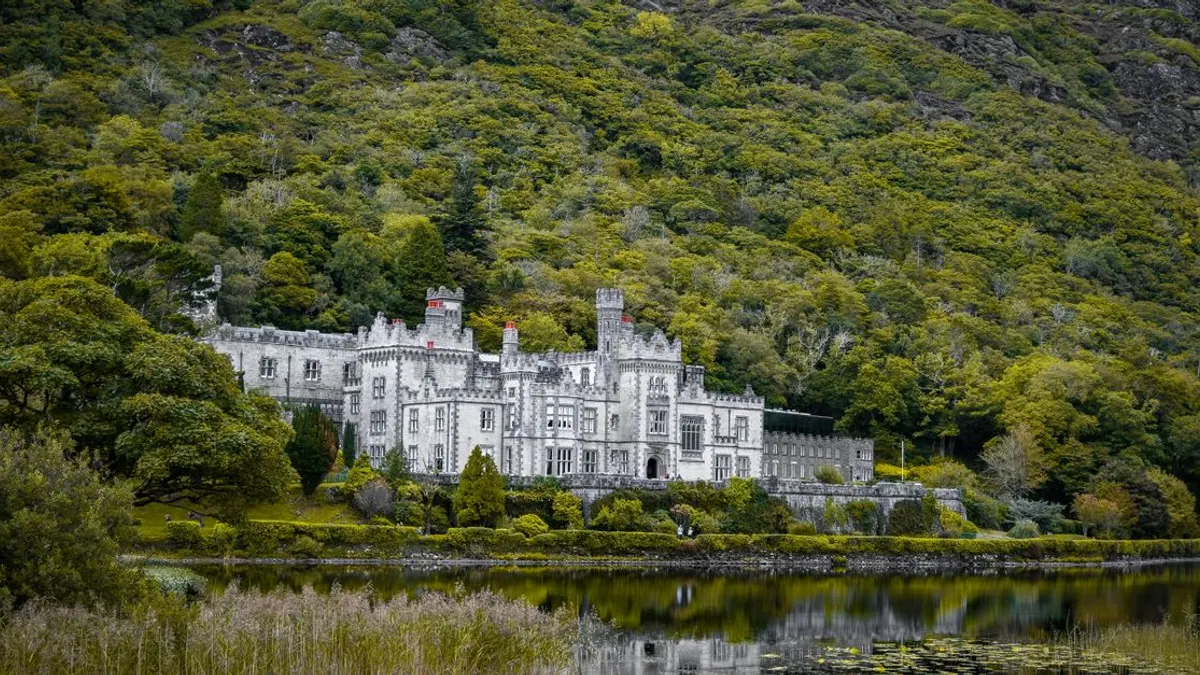
Castles You Can Stay In
Sleeping inside a castle is not a fantasy reserved for fairy tales. Ireland has more than four thousand castles – a higher density than almost anywhere in Europe – and a growing number open their doors as hotels, guesthouses, and self-catering retreats. Whether you want a candlelit banquet hall in County Tipperary or a coastal tower house perched above the Atlantic, the options are real, varied, and genuinely bookable.
Here is how to find the right one, and what to expect when you arrive.
What Castle Stays Actually Look Like
The term “castle hotel” covers a wide spectrum. At one end sit grand Victorian-era manor houses built to resemble Norman fortresses – comfortable, centrally heated, and staffed like any four-star hotel. At the other end are authentic medieval tower houses with spiral stone staircases, low doorways, and four-poster beds squeezed into round rooms.
Most visitors find the sweet spot somewhere in between: a fortified house or Georgian castle conversion where history is visible in the thick walls and vaulted cellars, but where the bathrooms are decidedly modern.
For a broader look at the range of places to sleep across the country, see our guide to types of accommodation in Ireland.
Landmark Castle Hotels Worth Knowing
Ashford Castle, County Mayo
Ashford is the name that appears on almost every list, and the reputation is earned. Set on the shores of Lough Corrib near Cong, this 13th-century castle has been extended and refined over centuries. It sits within a 350-acre estate with falconry, clay shooting, and boat trips on the lake. Rooms range from classic doubles to turret suites. If you are exploring the west, it pairs naturally with time in Westport or further north into County Mayo.
Dromoland Castle, County Clare
County Clare’s most famous castle hotel sits near Newmarket-on-Fergus, about fifteen minutes from Shannon Airport. It makes an excellent first or last night in Ireland – the grounds include an eighteen-hole golf course, a walled garden, and a spa. The architecture is 16th-century Gothic revival, updated without losing its grandeur. If you plan to explore the region, combine it with time in Ennis or a drive to the Cliffs of Moher.
Kilkea Castle, County Kildare
Dating to 1180, Kilkea is one of the oldest continuously inhabited castles in Ireland. It reopened after a major restoration as a full-service hotel with a golf course, spa, and equestrian facilities. The location in County Kildare makes it an easy base for visiting the Wicklow Mountains or the stud farms of the Irish midlands.
Ballynahinch Castle, Connemara
For those drawn to wild landscapes rather than manicured parkland, Ballynahinch offers something different: a castle hotel on the banks of a salmon river, deep in the Connemara wilderness. The atmosphere is relaxed – expect walking boots in the lobby and fishing gear by the door. It connects naturally with wider Connemara accommodation if you want to spend more than a night or two in the area.
Self-Catering Castle Towers
Not every castle stay requires hotel prices. Ireland has a number of historic tower houses available as self-catering rentals, particularly through the Irish Landmark Trust. These are genuine 15th- and 16th-century structures, restored with care but without modern additions that compromise their character. Stays typically require a minimum of three nights. Kitchens are functional; fireplaces are central to warmth. They tend to sleep four to six people comfortably.
The experience is fundamentally different from a hotel. You cook your own meals, source local food, and feel the weight of the walls in an unmediated way. For travellers who want more autonomy, see our self-catering in Ireland guide for how this model works alongside more standard options.
Castle Stays on the Wild Atlantic Way
The western coastline concentrates several of the most dramatic options. Clifden Castle in Connemara is a ruin rather than a hotel, but the private tower houses dotted along the coast between Galway and Donegal are real. A few can be found through specialist rental agencies focusing on heritage properties.
Further north, along the Wild Atlantic Way, the landscape adds to the experience: castles here sit above sea cliffs or beside tidal inlets, with the Atlantic doing the decorating. Donegal’s accommodation includes at least one restored tower house available for weekly rental.
Castles in Ireland’s Ancient East
The midlands and south-east of Ireland – marketed as Ireland’s Ancient East – hold a concentration of Norman and medieval fortifications. County Tipperary, County Kilkenny, and County Wicklow all have castle hotels or restored properties. Kilkenny itself is worth a night: the city centre puts you within walking distance of Kilkenny Castle, one of the finest in Ireland and free to visit.
For those interested in exploring more castles without necessarily sleeping in them, our Irish castles to visit guide covers the best open to the public across the country.
What to Expect and What to Ask Before You Book
A few practical notes before committing:
- Room size varies significantly. In authentic tower houses, rooms are small and oddly shaped. Check measurements if you have mobility considerations.
- Heating in historic buildings can be uneven. Most castle hotels have invested in modern systems, but self-catering towers may rely on log fires and storage heaters. Pack an extra layer for evenings in spring and autumn.
- Parking is usually generous. Castle hotels almost always have on-site parking, often free.
- Weddings. Many castle hotels host weddings at weekends. If you value quiet evenings, ask whether an event is scheduled during your stay.
We may earn a commission from bookings made through links on this page, at no extra cost to you.
When to Book
Castle hotels – particularly the well-known names like Ashford and Dromoland – fill up quickly for summer weekends and bank holidays. The period from late June through August is peak demand, and rooms at flagship properties can sell out months in advance. If you have a specific property in mind, booking in January or February for a summer trip is not excessive. Shoulder season (April–May, September–October) offers better availability and often lower rates, with the added benefit of smaller crowds.
FAQ
Are castle hotels in Ireland expensive? Prices vary considerably. Major castle hotels like Ashford or Dromoland typically start at €250–€450 per night for a standard room. Self-catering tower houses through the Irish Landmark Trust cost significantly less when split across a group, often working out to under €100 per person per night.
Can I visit a castle hotel without staying overnight? Many castle hotels welcome non-residents for afternoon tea, dinner, or spa day packages. It is worth contacting the property directly to check availability and booking requirements.
Are castle hotels suitable for families? Several castle hotels actively cater for families, with activities such as falconry, horse riding, and estate walks. Self-catering tower houses can also work well for families who want space and independence, though very young children and steep stone staircases require careful supervision.
Related: Luxury Lodges & Manor Houses in Ireland · Romantic Getaways in Ireland · Ireland’s Ancient East: Where to Stay