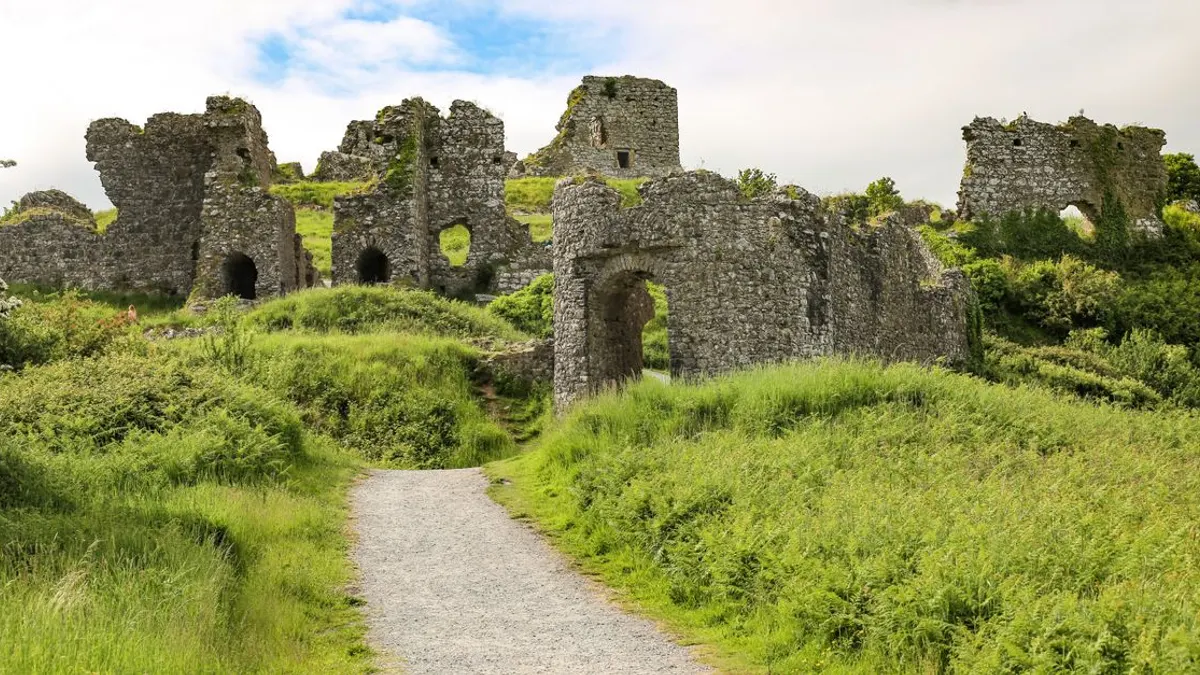
Ireland’s Ancient East: Where to Stay
Ireland’s Ancient East is the country’s most history-saturated corner — a broad sweep of counties stretching from the Boyne Valley in the north down through Kilkenny, Wexford, and Waterford to the south coast. Viking towns, Norman strongholds, passage tombs older than Stonehenge, and monastic ruins around every river bend make this the region for travellers who want their accommodation to feel like part of the story rather than just a bed for the night.
For a broader picture of the whole island, start with our Where to Stay in Ireland hub before narrowing your search here.
Kilkenny: The Medieval Capital
Kilkenny is the undisputed anchor of any Ancient East itinerary, and kilkenny accommodation ranges from intimate townhouse guesthouses on the medieval mile to larger hotels within walking distance of Kilkenny Castle. The compact city centre means almost every option is central — a real advantage when you want to walk to evening restaurants and craft pubs rather than drive.
The Medieval Mile & High Street
The streets immediately around Parliament Street and High Street put you among Kilkenny’s best bars, the Black Abbey, and the entrance to the castle grounds. Guesthouses here tend to be older buildings with character rooms and Irish breakfast included. Explore all Kilkenny options for a full neighbourhood breakdown.
Outlying Villages
If you prefer quiet evenings, the villages of Thomastown (home to Jerpoint Abbey) and Inistioge — both about 15 km south — offer small B&Bs and self-catering cottages with genuine rural feel. A car is essential but distances are short.
The Boyne Valley: Newgrange & Beyond
County Meath holds the densest concentration of prehistoric monuments in Europe. Newgrange, Knowth, and Dowth attract day-trippers from Dublin, which means accommodation here books quickly in summer. The nearest town, Drogheda, has a growing choice of guesthouses and budget hotels, while the village of Slane offers a handful of boutique B&Bs just minutes from the passage tombs.
Staying overnight rather than rushing back to Dublin pays off: the visitor centre queues are shorter first thing, and the soft morning light over the Boyne is worth the early rise.
Waterford & the South-East Coast
Waterford City claims the title of Ireland’s oldest city and has smartened up its quays considerably in recent years. Hotel options cluster along the Quay and in the Viking Triangle — the cultural core where Reginald’s Tower stands. For those combining history with coastline, the fishing village of Dunmore East (12 km south) has a clutch of guesthouses perched above a sheltered harbour.
The drive west along the Copper Coast — a UNESCO Global Geopark — leads to Dungarvan, which has become a surprisingly good food destination with comfortable guesthouses to match.
Rock of Cashel & County Tipperary
The Rock of Cashel is one of Ireland’s most dramatic sights: a cluster of medieval ecclesiastical buildings rising sheer from a limestone outcrop above the town of Cashel. Accommodation in the town itself is modest — mostly B&Bs and small hotels — but it is perfectly placed for an evening visit after the day-trip crowds leave. Clonmel, 20 km south-east, is Tipperary’s largest town and offers more choice if you want a wider selection of restaurants.
Accommodation Types Across the Region
Ireland’s Ancient East suits several different styles of stay. If you enjoy meeting other travellers and keeping costs down, a hostel in Ireland in Kilkenny or Waterford City is a practical base. Families often do best with self-catering accommodation — a cottage near Kilkenny or in the Nore Valley gives space, a kitchen for packed lunches, and a garden.
For a genuinely memorable night, the region has several castles you can stay in — a handful of restored tower houses and manor houses take guests and the experience is hard to replicate elsewhere in Europe.
Bed and breakfasts remain the backbone of the region, particularly outside the main cities. Irish hospitality at a family-run B&B, with a full cooked breakfast and a host who can point you to the less-visited sites, is still one of the best ways to travel here.
Getting Around
The region has no single motorway spine — you will loop through smaller roads to link the highlights. Our driving in Ireland guide covers what to expect on narrow country lanes and the basics of left-hand driving. A car is strongly recommended for everything outside Kilkenny City.
When to Book
Spring and early summer (May–June) offer the best balance of long daylight hours, green countryside, and reasonable availability. July and August are peak season across the Ancient East — particularly around Newgrange, where visitor centre slots sell out weeks ahead. If you are planning a summer trip, book kilkenny accommodation and Boyne Valley stays from January onwards; demand from both domestic and international visitors fills the better properties fast.
We may earn a commission from bookings made through our links, at no extra cost to you.
FAQ
What is the best base for exploring Ireland’s Ancient East? Kilkenny is the most convenient base — central, walkable, and within two hours of most major sites including Newgrange, the Rock of Cashel, and Waterford. It has the widest range of accommodation for most budgets.
Do I need a car to stay in Ireland’s Ancient East? Yes, for all but Kilkenny City itself a car is essential. Public transport between the key heritage sites is infrequent, and many of the best accommodation options — particularly cottages and rural B&Bs — are not served by bus.
Is kilkenny accommodation expensive compared to Dublin? Generally no. Rates in Kilkenny run noticeably lower than central Dublin for equivalent quality, and the city centre is compact enough that you rarely need taxis. Prices do rise at weekends and during the Kilkenny Arts Festival in August.
Related: Where to Stay in Kilkenny · County Wicklow Accommodation · Irish Castles to Stay In