Where to Stay in Kilkenny
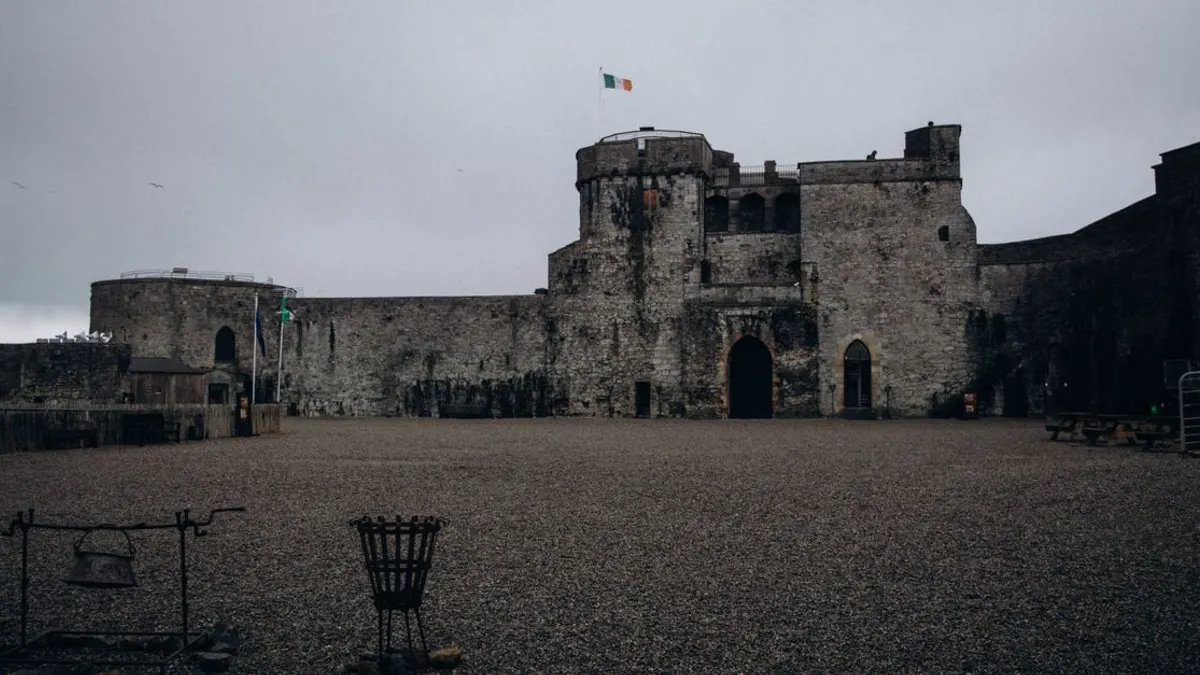
Kilkenny is Ireland’s best-preserved medieval city — a compact, walkable place where a Norman castle lords over a river, and craft breweries sit beside centuries-old abbeys. Whether you’re here for the famous arts festival, a weekend of hurling and whiskey, or simply a base to explore Ireland’s Ancient East, choosing the right kilkenny accommodation makes a genuine difference to your stay.
The City Centre: Best for First-Time Visitors
The historic core — bounded by Kilkenny Castle, the High Street, and St Canice’s Cathedral — is where most visitors want to be. You can walk to virtually every attraction, restaurant, and pub from here in under fifteen minutes.
Hotels on or near the High Street
Several well-established hotels occupy Georgian townhouses and converted coaching inns along the High Street and Parliament Street. Rooms tend to be on the smaller side (it’s an old city), but the atmosphere more than compensates. Expect stone walls, sloped floors, and breakfast rooms that smell of fresh soda bread.
Guesthouses in the Lanes
Kilkenny’s medieval lanes — Butter Slip, St Kieran’s Street — hide some quietly excellent guesthouses and B&Bs. These suit travellers who prefer a personal welcome over hotel anonymity. Hosts typically know every good restaurant in town and will book tables on your behalf.
The Castle Quarter and Riverside
The stretch from Kilkenny Castle down to the Nore River is the most atmospheric part of the city. A handful of boutique properties sit within a short stroll of the castle gates, and the Design Quarter — home to the Kilkenny Design Centre and dozens of craft studios — is right on your doorstep.
This area suits couples and anyone interested in Irish craft, design, or history. Note that parking is limited here; if you’re arriving by car, check whether your property has private parking or a deal with a nearby car park.
John Street and the Brewery District
Kilkenny is synonymous with Smithwick’s, brewed here since 1710. The area around John Street and the old St Francis Abbey Brewery is increasingly lively, with bars, restaurants, and some newer aparthotel-style accommodation that appeals to groups and longer stays. It’s a five-minute walk to the castle and offers slightly better value than the immediate city centre.
If you’re planning to drive onwards — say, towards Cork or Killarney — properties on the northern or eastern edges of the city give easier road access without sacrificing too much convenience.
Self-Catering and Cottages Near Kilkenny
The Kilkenny countryside — particularly the Nore Valley south of the city and the hills around Thomastown and Inistioge — offers some of Ireland’s loveliest self-catering cottages. These stone-built farmhouses and mill conversions suit families or groups who want to cook their own meals, have outdoor space, and explore the county at their own pace.
Thomastown is worth knowing: a small market town on the Nore, about 18 km south, with its own accommodation options and easy access to the magnificent ruins of Jerpoint Abbey. Inistioge, even smaller, is one of those villages that makes you question why you ever live anywhere else.
Castle Stays and Luxury Options
If budget allows, County Kilkenny and the surrounding region have some remarkable castle hotels. Staying in a genuine Irish castle — complete with turrets, walled gardens, and four-poster beds — is an experience most visitors remember for years. Several properties within 30–45 minutes of the city combine this kind of drama with strong spa facilities; see our guide to spa hotels in Ireland for more detail.
For something between a castle and a cottage, luxury lodges and manor houses in the Kilkenny area offer country-house hospitality without full hotel formality.
Practical Tips for Choosing Kilkenny Accommodation
- Book early for festival weeks. The Kilkenny Arts Festival (August) and Cat Laughs Comedy Festival (June) fill the city completely. Rates rise sharply and central properties sell out months ahead.
- Check parking before you book. City-centre streets are metered or permit-only. Many hotels have limited spaces; self-catering properties outside the centre almost always include parking.
- Consider a two-base approach. Kilkenny pairs naturally with a night in Kinsale to the south or Dublin to the north on a wider Irish road trip. See our 7-day Ireland itinerary for inspiration.
- Public transport is limited. Trains link Kilkenny to Dublin Heuston (about 80 minutes) and Waterford, but buses within the county are infrequent. A hire car opens up the countryside considerably — our driving in Ireland guide covers the essentials for first-timers.
When to Book
Kilkenny is a year-round destination, but summer (June–August) is peak season. If you’re planning to visit between May and September, book kilkenny accommodation as early as January or February to secure your preferred property and price. Spring (April–May) and autumn (September–October) offer a genuine sweet spot: fewer crowds, milder prices, and the city’s medieval stone looking its best in low golden light.
FAQ
What is the best area to stay in Kilkenny for sightseeing? The city centre, particularly around the High Street and the Castle Quarter, puts you within walking distance of Kilkenny Castle, St Canice’s Cathedral, Rothe House, and the main restaurant and pub strip. It’s the most practical base for a short break.
Is Kilkenny a good base for exploring the surrounding countryside? Yes — with a car, you can reach Jerpoint Abbey, the Nore Valley, the Rock of Cashel (about 40 minutes west), and the Waterford Greenway within a day trip. Kilkenny sits at the heart of Ireland’s Ancient East, making it an excellent hub.
Are there budget accommodation options in Kilkenny? Yes, though the city is not especially large. Hostels exist in the centre, and B&Bs in the surrounding towns offer competitive rates. Self-catering cottages shared between a group often work out cheaper per person than hotels, especially outside festival periods.
Related: Ireland’s Ancient East: Where to Stay · Castles You Can Stay In · Where to Stay in Cork