Ireland’s National Parks: Wild Landscapes Worth Every Step
Ireland has six designated national parks, and together they protect some of the island’s most extraordinary terrain — ancient oak woodland, blanket bog, glacial lakes, sea-sculpted mountains, and Atlantic coastline where the wind never quite stops. Whether you are chasing red deer through Kerry’s uplands or watching otters slip into a Connemara river, the national parks of Ireland offer the kind of encounter with nature that most of Europe has largely lost. This guide covers every park, what to expect, where to base yourself, and how to plan a visit that goes beyond the car park and viewpoint.
Killarney National Park: Ireland’s Most Celebrated Park
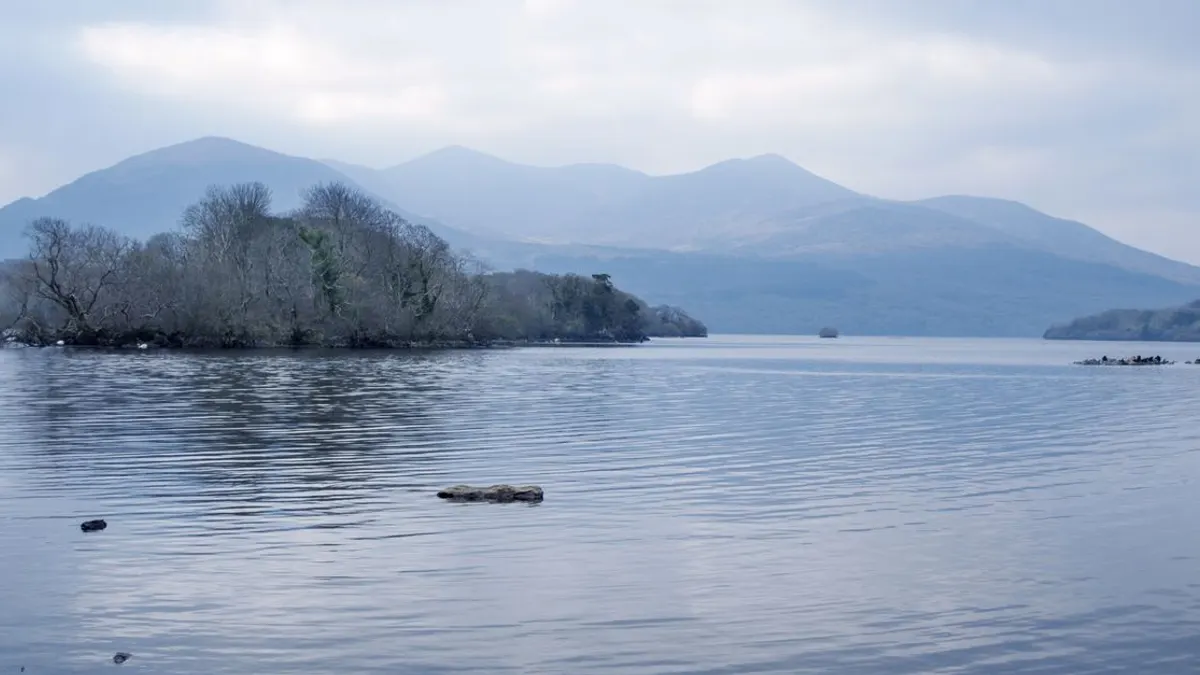
Killarney National Park is the oldest and arguably the most dramatic of Ireland’s national parks, covering roughly 100 square kilometres of mountains, lakes, and native woodland in County Kerry. The park surrounds the three Lakes of Killarney and reaches up into the MacGillycuddy’s Reeks, home to Carrauntoohil — the island’s highest peak at 1,038 metres.
Practical highlights include the 10-kilometre Gap of Dunloe walk, the boat crossing from Lord Brandon’s Cottage to Ross Castle, and the woodland path to Torc Waterfall. Red deer roam freely here and are regularly spotted near Muckross House in the early morning. Admission to the park itself is free; Muckross House charges for entry.
The nearest base is the town of Killarney, which sits right on the park boundary. Browse where to stay in Killarney for everything from lakeside guesthouses to spa hotels. For self-contained stays, cottages in Kerry are popular with walkers and families.
Connemara National Park: Bog, Mountain, and Silence
Connemara National Park covers 2,957 hectares of bogland, heath, grassland and mountain in County Galway, centred on the Twelve Bens range. The visitor centre near Letterfrack is a good starting point for the Diamond Hill loop — a well-maintained 7-kilometre circuit with panoramic views over Ballynakill Harbour and the Atlantic.
The park is free to enter and rarely crowded outside July and August. Birdwatchers come for the peregrine falcon, merlin, and red grouse; walkers aim for higher ground on the Bens via more technical routes requiring navigation experience.
Clifden is the most convenient town base, just 14 kilometres from Letterfrack. See where to stay in Clifden or explore cottages in Connemara for longer stays. Connemara accommodation options along the Wild Atlantic Way suit those combining the park with coastal driving.
Glenveagh National Park: Donegal’s Hidden Gem
Glenveagh is Donegal’s crown jewel — 16,000 hectares of mountain, glen, and blanket bog wrapped around a romantic Victorian castle perched beside Lough Veagh. The castle and its formal gardens are open to visitors, with a shuttle bus running from the visitor centre (entry fees apply for both castle and gardens).
The surrounding wilderness is among the most remote in Ireland. The walking routes range from gentle lakeside paths to strenuous ridge walks above 600 metres. Golden eagles were reintroduced here; red deer are plentiful and easy to spot. The park is free to enter outside the castle/garden zone.
Glenveagh lies in the north-west of Donegal, about 25 kilometres from Letterkenny. Donegal accommodation covers options across the county, from coastal cottages to country house hotels. For those touring the far north, this park pairs well with Malin Head and the Fanad Peninsula.
Wicklow Mountains National Park: The Garden of Ireland’s Wild Side
Just an hour south of Dublin, Wicklow Mountains National Park feels surprisingly remote. The park spans 20,000 hectares of upland bog, heath, and river valleys, centred on the glacially carved Vale of Glendalough, where two lakes sit beneath ruins of a sixth-century monastic city.
Glendalough is the busiest part of the park and deservedly so: the round tower, cathedral, and St Kevin’s Kitchen are among the most evocative Early Christian sites in Europe — a reason to link this visit with a browse of Ireland’s Ancient East. The Upper Lake walk (5 kilometres, circular) takes in the monastic ruins and continues into quieter woodland.
Beyond Glendalough, the Wicklow Way long-distance trail crosses the park, and Lugnaquilla (925 m) draws hillwalkers. Laragh and Roundwood are the closest villages. County Wicklow accommodation is covered at county Wicklow accommodation.
Burren National Park: A Limestone Landscape Like No Other
The Burren in County Clare is unlike anything else in Ireland — or Europe. A karst plateau of exposed grey limestone stretching to the coast, it supports a unique mix of alpine, Arctic, and Mediterranean wildflowers growing together in the same pavement cracks. Spring gentians appear in April; orchids follow through May and June.
The national park itself is smaller (1,600 hectares) than some expect, but the wider Burren region is vast and interconnected. The Burren National Park walking trails around Mullaghmore are the best introduction; admission is free. The area also contains several significant megalithic tombs, including Poulnabrone Dolmen, which dates to around 3800 BCE.
The Cliffs of Moher are an easy half-day add-on from here — see our Cliffs of Moher guide for detail. Base yourself in County Clare or in Galway, where boutique hotels in Galway are well-placed for the day.
Mayo’s Ballycroy National Park: Ireland’s Last True Wilderness
Ballycroy National Park, in north-west County Mayo, protects the largest expanse of intact blanket bog in Ireland and Western Europe. It is one of the quietest parks on this list — there are fewer facilities and less infrastructure — which is precisely the point. The Owenduff bog system here is a designated Special Area of Conservation and a UNESCO-listed Biosphere Reserve.
The visitor centre at Ballycroy village provides context on the ecology. Walking routes exist but are mostly unmarked; independent walkers should carry OS maps and know how to navigate. Achill Island lies just to the south and makes a natural extension of any Mayo trip.
For accommodation, County Mayo has a solid range from Westport to Belmullet. Westport is a particularly well-equipped base — see where to stay in Westport for choices at different budgets.
Planning Your National Parks Visit
Getting around is easiest by car. Public transport reaches Killarney and Glendalough reasonably well, but Connemara, Ballycroy, and the deeper Wicklow routes require your own wheels. Our driving in Ireland guide covers left-hand driving, rural roads, and parking at trailheads.
Best time to visit: May and June offer the best balance of light, wildflowers, and fewer crowds. July and August are busiest. September brings heather in bloom across the bogs. See best time to visit Ireland for a month-by-month breakdown.
Accommodation style: Walkers and wildlife watchers often prefer self-catering in Ireland or Irish cottages close to trailheads, avoiding daily hotel check-out pressures. Glamping in Ireland has expanded near several parks and suits families.
We may earn a commission from bookings, at no extra cost to you.
FAQ
Are Ireland’s national parks free to enter? The parks themselves are free to enter and open year-round. Some specific attractions within parks charge admission — Muckross House in Killarney, and Glenveagh Castle and Gardens in Donegal both have entry fees. Car parks at popular sites may charge, particularly at weekends in summer.
Which national park in Ireland is best for families with young children? Killarney National Park is the most family-friendly, with flat lakeside paths, pony-and-trap rides, a free deer sanctuary, and the Muckross Estate. Wicklow Mountains National Park (Glendalough) is also a strong choice for its historical interest alongside accessible walking. Both have visitor centres and café facilities.
Can I see wildlife in Ireland’s national parks? Yes. Red deer are present in Killarney, Glenveagh, and Connemara. Otters inhabit most river and lake systems within the parks. Peregrine falcons and red kites are visible in Wicklow; golden eagles in Glenveagh; chough and peregrine along the Burren coast. Early morning and dusk give the best sightings. Avoid approaching or feeding animals.
Related: Ring of Kerry · Skellig Michael · Plan your Ireland road trip