Where to Stay in County Clare
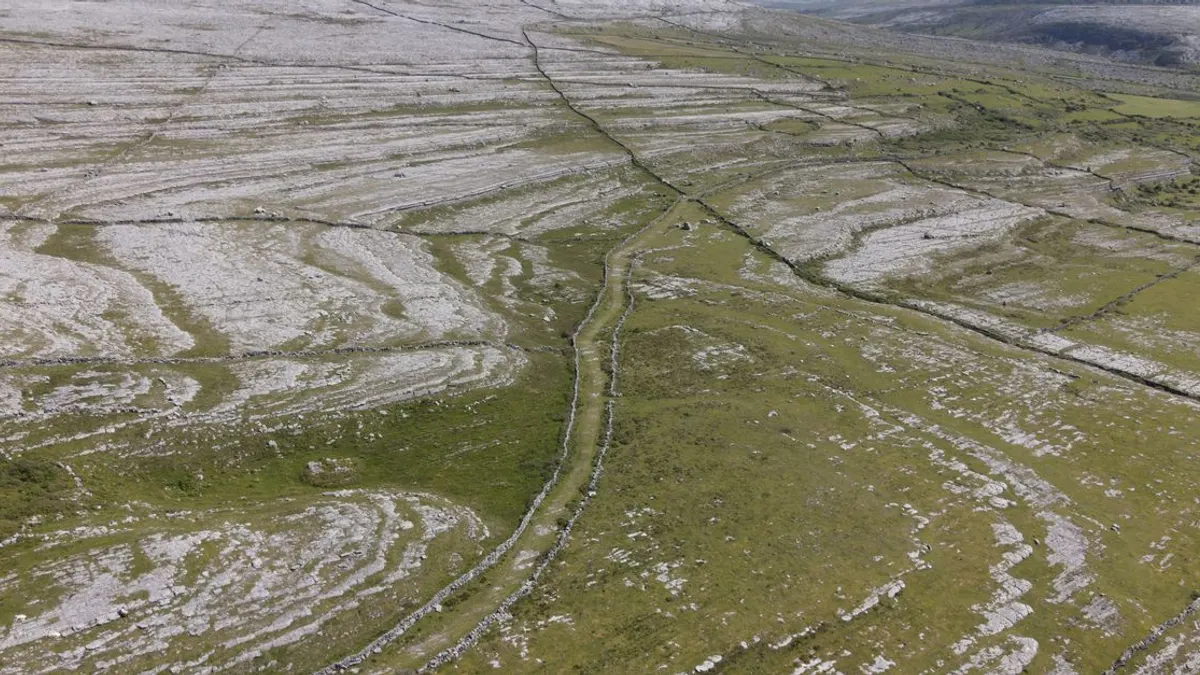
County Clare packs an extraordinary range of landscapes into a single county: the sheer limestone drama of the Cliffs of Moher, the alien karst plateau of the Burren, long sandy beaches along Kilkee and Lahinch, and a hinterland soaked in traditional music. County Clare accommodation reflects that variety — whether you want a cosy pub B&B in a trad-music village, a self-catering cottage on a quiet boreen, or a smart hotel close to Ennis town centre.
Ennis: The Best Base for Exploring the County
Ennis is Clare’s county town and its most practical accommodation hub. The compact medieval street plan puts you within walking distance of pubs, restaurants and the train station (direct services to Limerick and on to Cork or Dublin). Hotels cluster around O’Connell Street and the river, ranging from mid-range three-star options to a handful of four-star properties with leisure facilities.
For a more characterful stay, the town has several well-reviewed guesthouses and family-run bed and breakfasts tucked into the surrounding residential streets. Ennis is also the easiest launchpad for day trips to the Cliffs of Moher, the Burren and Loop Head.
Find places to stay in Ennis →
Doolin & the Cliffs of Moher Corridor
Doolin is the single most popular village in Clare for overnight stays, and with good reason. It sits just 8 km from the Cliffs of Moher, it operates the ferry to the Aran Islands, and it has an almost mythical reputation for traditional music in its handful of pubs (McDermott’s, Gus O’Connor’s and McGann’s are the three to know).
Accommodation types in Doolin
- B&Bs and guesthouses line the Roadford and Fisher Street areas. Booking well ahead is essential from May to September.
- Self-catering cottages on the surrounding farmland suit families or groups who want flexibility without the nightly noise of a busy music pub.
- Hostels provide genuine budget options — Doolin has two well-established ones popular with the Camino Celtico walking crowd.
The village of Lisdoonvarna, 10 minutes inland, offers quieter and often cheaper alternatives while keeping the cliffs within easy reach.
Detailed guide to staying near the Cliffs of Moher →
The Burren: Staying in One of Europe’s Great Limestone Landscapes
The Burren plateau stretches across north Clare, a UNESCO Global Geopark that looks unlike anywhere else in Ireland. Villages such as Ballyvaughan, Kilfenora and Corofin are small but have a surprising range of places to stay.
Ballyvaughan is the most polished of the Burren villages, with a small harbour, a few excellent restaurants and some lovely stone-built guesthouses. It also puts you within easy reach of Ailwee Cave and the Burren Perfumery. Irish cottages scattered across the plateau are especially popular with botanists and hikers — the rare spring wildflowers draw visitors from March onwards.
Kilfenora is home to the Burren’s main interpretive centre and the legendary Kilfenora Céilí Band. Accommodation here is limited, so booking early is key.
Kilkee, Kilrush & the Loop Head Peninsula
Loop Head, the dramatic finger of land pointing south-west into the Atlantic, remains one of Clare’s most underrated corners. The lighthouse at the tip is a Wild Atlantic Way signature discovery point, and the drive out from Kilrush passes sea stacks, blow holes and almost no crowds.
Kilkee is the main resort town on this stretch, a Victorian seaside favourite with a sheltered horseshoe bay. It has hotels, self-catering apartments and B&Bs, and it works well as a base for a night or two on the Loop Head loop. This part of Clare connects naturally with accommodation on the Wild Atlantic Way further south into Kerry.
Lahinch: Surf Town on the Atlantic Edge
Lahinch is Clare’s surf capital and one of the liveliest coastal towns outside high summer. The beach is long and sandy, the surf school scene is well developed, and the famous golf links draws visitors year-round. Accommodation ranges from surf-focused hostels and compact guesthouses to a few larger hotels overlooking the beach promenade.
Families tend to find Lahinch an easy choice — it has good restaurants, a reliable surf school, and enough to keep everyone occupied for two or three days.
Types of Accommodation in County Clare
Clare’s accommodation mix rewards different types of traveller:
- Hotels are most concentrated in Ennis and along the coast at Lahinch and Kilkee.
- Bed and breakfasts are the backbone of rural Clare — warm, personal, and usually includes a proper Irish cooked breakfast.
- Self-catering cottages suit those who want to linger in the Burren or along Loop Head without being tied to restaurant hours.
- Glamping has arrived in Clare, with a handful of pods and bell tents near Doolin and in the Burren interior.
- Family-friendly accommodation is widely available — look for properties with enclosed gardens in the Burren villages and along the coast.
Clare also borders County Galway to the north (Galway city is just 65 km from Ennis) and sits on the natural route towards County Kerry to the south, making it a logical stop on any west-coast road trip.
When to Book
Summer (June–August) is peak season, especially around Doolin, Lahinch and the Cliffs of Moher, where the best B&Bs sell out weeks in advance. If you are planning a July or August visit, aim to book by January or February at the latest. The Lisdoonvarna Matchmaking Festival (September) fills every bed within 30 km — plan well ahead if your dates overlap with it. The shoulder months of April–May and September–October offer good weather windows, lower prices and noticeably shorter queues at the Cliffs.
FAQ
What is the best town to stay in County Clare? Ennis offers the most practical base — it has the widest range of accommodation, good transport links and easy access to all corners of the county. For atmosphere closer to the Cliffs of Moher, Doolin is the obvious alternative despite its small size.
Is County Clare worth visiting for more than a day trip? Absolutely. Between the Burren, Loop Head, the Aran Islands ferry from Doolin, traditional music sessions in village pubs and the Atlantic coast beaches, Clare rewards at least two to three nights — ideally more if you want to explore slowly.
Do I need a car for county Clare accommodation? A car is strongly recommended for anywhere outside Ennis. Bus Éireann serves the main towns but services are infrequent, and many of the most rewarding areas — the Burren interior, Loop Head, the Kilkee coast — are difficult to reach without your own transport. See our guide to driving in Ireland for first-timer advice.
Related: Staying near the Cliffs of Moher: Doolin & Around · Where to Stay on the Aran Islands · Wild Atlantic Way Accommodation