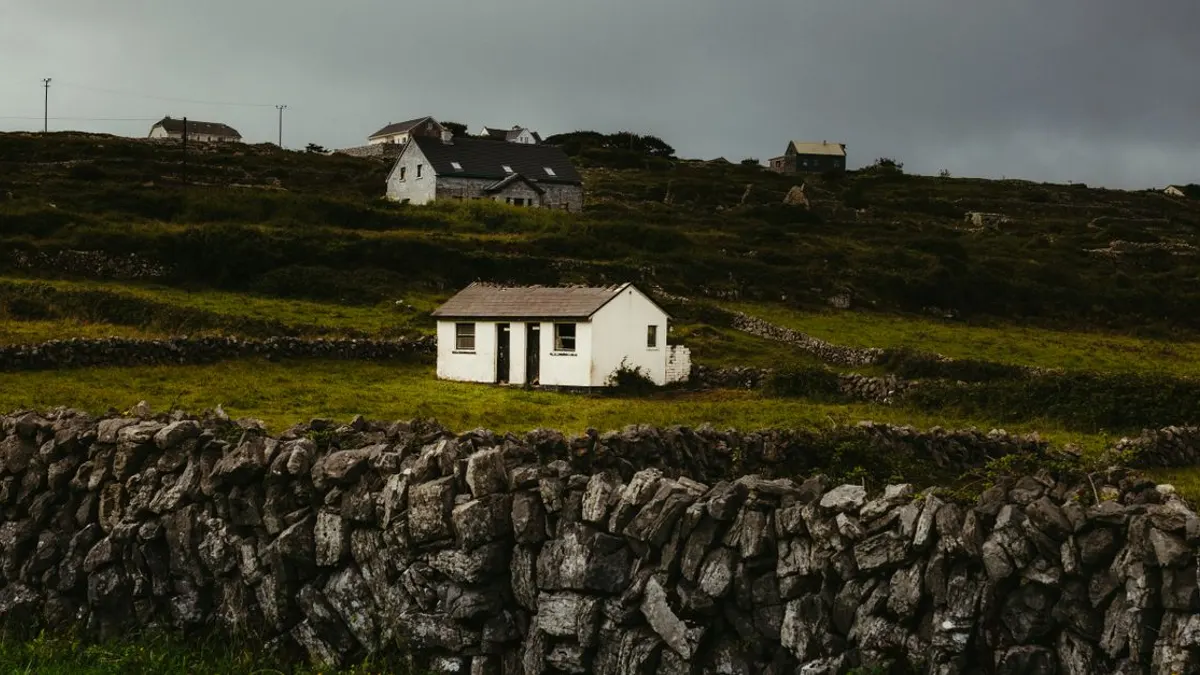
Irish Cottages: Choosing Your Retreat
Few accommodation types capture the soul of Ireland quite like a cottage. Whether it is a whitewashed stone dwelling overlooking a bog in Connemara, a thatched farmhouse tucked into a Kerry valley, or a converted fisherman’s cottage on the Donegal coast, cottages ireland are as varied as the landscape itself — and choosing the right one shapes the entire tone of your trip.
What Makes an Irish Cottage Different
Irish cottages range from genuinely historic vernacular buildings (some dating to the nineteenth century, with thick stone walls and low ceilings that keep heat in through Atlantic winters) to purpose-built holiday homes that carry the aesthetic without the draughts. The key differences that matter for travellers:
- Stone vs timber-frame construction. Older cottages feel different — quieter, cooler in summer, slower to warm up in autumn.
- Thatched vs slate roof. Thatched cottages are rarer, tend to command premium rates, and are clustered mainly in County Kerry, parts of County Clare, and south Connemara.
- Isolated vs village-adjacent. Some properties sit a kilometre down an unmarked lane; others are in walking distance of a pub and a shop. Both are valid — decide before you book.
For a broader overview of all the ways to sleep in Ireland, see our guide to self-catering in Ireland and the full accommodation types hub.
Where to Find the Best Cottages in Ireland
The Wild Atlantic Way
The Wild Atlantic Way corridor — from Donegal in the north to Cork in the south — holds the densest concentration of rental cottages in the country. Demand is highest in the stretch from Clifden to Dingle, and for good reason: the combination of sea views, walking trails, and easy access to heritage sites is unmatched.
Connemara is the benchmark for the classic stone cottage experience. Properties near Roundstone, Clifden, and the shores of Lough Corrib book out months in advance for July and August. Our dedicated guide to Connemara accommodation lists the main villages and what to expect at each price point.
County Kerry cottages — particularly around the Dingle Peninsula and the Ring of Kerry — attract a steady stream of visitors year-round. The shoulder months of May, early June, and September offer better availability and noticeably fewer cars on the narrow roads. See where to stay in County Kerry for a region-by-region breakdown.
Donegal, further north, still feels genuinely off the beaten track. Cottages along the Slieve League cliffs and around Ardara are among the most atmospheric in Ireland, and rates tend to be lower than equivalent properties in Kerry or Galway. Full details in our Donegal accommodation guide.
County Clare and the Burren
The Burren’s limestone plateau creates an unusual backdrop for cottage stays — stark, almost lunar, yet threaded with wildflowers in spring. Cottages near Ballyvaughan and Kilfenora put you within easy reach of the Cliffs of Moher without paying the premium attached to properties in Doolin itself. More options in our County Clare guide.
County Wicklow — Cottages Without the Long Drive
Not every cottage holiday requires a seven-hour drive west. County Wicklow, sometimes called the Garden of Ireland, has a solid stock of rental cottages in the Avoca and Glendalough valleys, an easy day trip from Dublin and genuinely beautiful walking country. See where to stay in County Wicklow for specifics.
Practical Things to Check Before You Book
Booking a cottage that looks perfect in photographs and turns out to be a headache is avoidable. Before confirming:
- Heating. Ask specifically whether the property has central heating or relies on a solid-fuel stove. For visits between October and April, this is not a minor detail.
- Wi-Fi reliability. Rural Ireland’s broadband coverage has improved sharply, but isolated properties can still have weak signal. If you need to work remotely, ask for a speed test result or verify on the platform listing.
- Car access. Most rural cottages are car-dependent. If you are arriving without one, check distances to the nearest supermarket. Our driving in Ireland guide covers left-hand traffic, road quality, and what to expect on rural lanes.
- Pets and children. Many cottage owners welcome both, but always confirm. Our guides to pet-friendly cottages in Ireland and family-friendly accommodation filter specifically for these needs.
Typical Costs and Booking Platforms
Cottage prices vary enormously. A basic two-bedroom property in County Roscommon might start at €600–€800 per week in high season; a four-bedroom thatched cottage with sea views in Kerry can easily reach €2,500–€3,500. Mid-range stone cottages sleeping four in Connemara or Clare typically fall in the €1,000–€1,800 band for July weeks.
The main platforms for cottages ireland are Booking.com, Airbnb, and specialist Irish agencies such as Imagine Ireland and Self Catering Ireland. Direct booking through agency websites occasionally yields lower rates and more flexible cancellation terms.
We may earn a commission from bookings made through links on this page, at no extra cost to you.
When to Book
Book early. Summer 2025 cottage inventory on the Wild Atlantic Way was heavily reserved by late February. If you are targeting July or August — particularly in Connemara, Dingle, or Donegal — January to March is the realistic booking window. Off-peak stays (April, May, September, October) give more flexibility and often better value, with the added bonus of quieter roads and dramatic light.
FAQ
What is the difference between a cottage and a holiday home in Ireland? The terms overlap in listings, but “cottage” generally implies a smaller property — typically one to three bedrooms — with a traditional architectural character. “Holiday home” is a broader category that includes modern builds and larger houses. Our holiday homes and vacation rentals guide explains the distinction in more detail.
Do Irish cottages typically include bed linen and towels? Most professionally managed cottages include linen; privately listed properties on platforms like Airbnb vary. Always check the listing details or ask the owner directly, as bringing your own to a remote cottage is significantly less convenient than it sounds.
Is a car essential for a cottage holiday in Ireland? For the vast majority of rural cottage locations, yes. Some villages on the Aran Islands or within walking distance of Doolin are partial exceptions, but Ireland’s public transport network does not reach most cottage-country destinations reliably. Factor car hire into your budget from the start — our travel insurance, car hire and eSIM guide covers the practical steps.
Related: Where to Stay in Connemara · Where to Stay in County Kerry · Self-Catering in Ireland