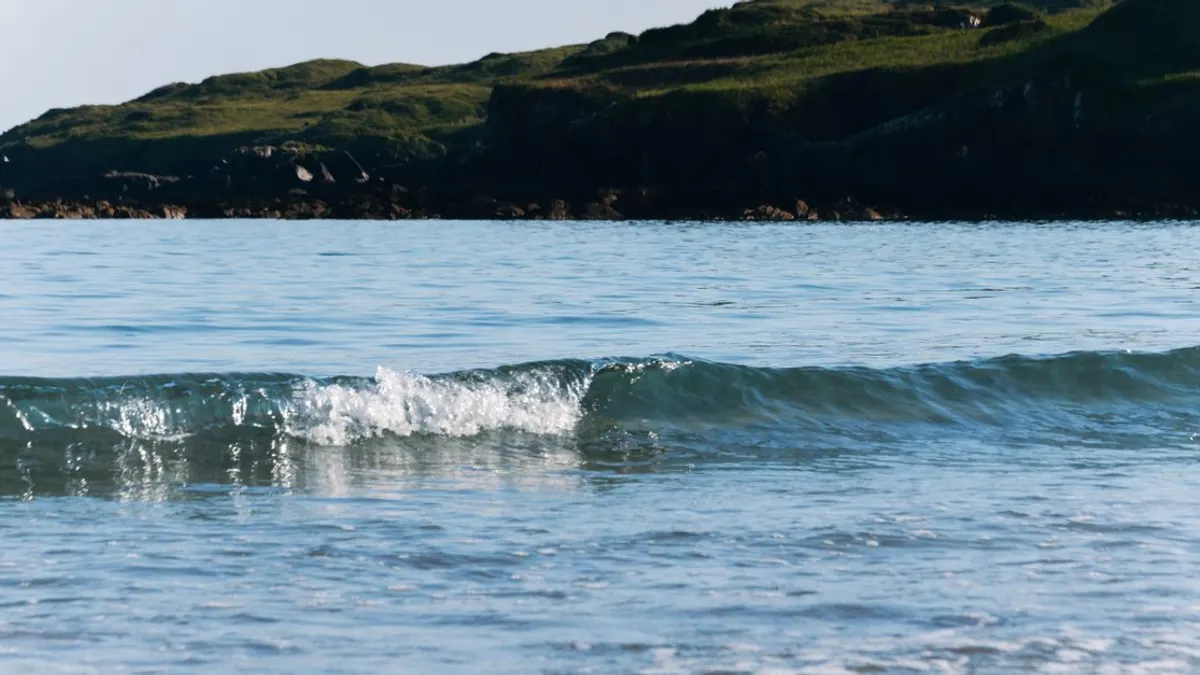
The Best Beaches in Ireland
Ireland’s coastline stretches for more than 2,500 kilometres, and tucked along it you will find some of the most dramatic and unspoilt beaches in Europe. From the powder-white strands of Donegal to the surf-battered coves of the Dingle Peninsula, the best beaches in Ireland offer something for every kind of visitor – whether you are chasing Atlantic swells, searching for a quiet shell-strewn bay, or simply watching the sun dip into the sea with a flask of tea in hand. Pack a waterproof and an open mind: Irish beach weather is famously changeable, but that is half the adventure.
1. Inch Beach, County Kerry – a Classic Atlantic Strand
Stretching nearly five kilometres into Dingle Bay, Inch Beach is one of the most photographed strands on the island. Backed by rolling sand dunes and facing the full force of the Atlantic, it draws surfers from across Europe as well as families who spread out on the wide expanse of firm sand. The water is cold but bracing, and the views across to the MacGillycuddy’s Reeks on a clear day are extraordinary. Inch is easy to reach by car along the Wild Atlantic Way, and a handful of surf hire and food vans operate on the beach in summer.
Stay nearby: Dingle accommodation puts you within twenty minutes of the strand, with plenty of seafood pubs and cosy guesthouses to return to after a day outdoors.
2. Tullan Strand, County Donegal – for Serious Surfers
On the northwest coast near Bundoran, Tullan Strand is a long, exposed beach that produces consistent and powerful waves. It sits within the Donegal Bay area and is backed by low grassy headlands that give it a remote, elemental feel even when the car park is busy. Bundoran itself has developed a genuine surf culture, with board hire shops and coaching available for beginners. The surrounding Donegal region is one of the most scenically rewarding parts of Ireland, and many visitors combine a beach day here with the nearby sea cliffs and coastal drives.
3. Fanore Beach, County Clare – Wild Atlantic Coast at Its Quietest
Between the limestone pavements of the Burren and the Atlantic, Fanore is a small, unpretentious strand that rarely gets crowded even in peak summer. The beach sits at the mouth of the Caher River, which flows across the sand and into the sea – a detail that makes it particularly photogenic. Swimmers, walkers and amateur geologists all find something to enjoy here. It is about twenty minutes north of Doolin on the coastal road, making it a natural addition to any trip that includes the Cliffs of Moher. For a base in this corner of the country, explore County Clare accommodation.
4. Keem Bay, Achill Island, County Mayo – Ireland’s Most Secluded Cove
Keem Bay is the kind of beach that features in lists simply because there is nothing quite like it elsewhere in Ireland. Reached by a narrow single-track road that winds along the cliff edge above Achill Island, the beach is a horseshoe of very pale sand surrounded on three sides by dramatic headlands. The water can run an implausible shade of turquoise on sunny days. There are no facilities at the beach itself, so come prepared with food and water. Achill Island is connected to the mainland by a road bridge and sits within easy reach of Westport and the wider County Mayo area.
5. Portmarnock Beach, County Dublin – City Convenience, Proper Seaside Feel
Not every great Irish beach requires a long drive. Portmarnock, on the north side of Dublin Bay, is a proper Blue Flag strand of almost five kilometres that Dubliners have been coming to for generations. It is wide, gently shelving and backed by dunes, with clear views across the bay to the Wicklow Mountains. Getting here from the city centre takes around forty minutes by DART train and a short walk, making it one of the most accessible beaches on the island. If you are based in Dublin for part of your trip, it is well worth a half-day visit.
6. White Strand (An Trá Bhán), Connemara – Galway’s Hidden Gem
Connemara has dozens of small beaches tucked between its rocky headlands, but White Strand near Clifden is among the most rewarding. The sand here really is startlingly white, contrasting sharply with the dark bogland behind it and the grey-green of the Atlantic in front. The beach faces west, which means spectacular sunsets, and the surrounding landscape of Connemara is one of the most distinctive in Ireland. Walkers, cyclists and kayakers all use it as a base for exploring the coastline. Connemara accommodation ranges from remote self-catering cottages to comfortable hotels in Clifden.
7. Murlough Bay, County Down – Northern Ireland’s Best-Kept Secret
Just south of the famous Giant’s Causeway on the Causeway Coast, Murlough Bay is a sheltered arc of sand backed by ancient dunes that form part of a National Nature Reserve. Managed by the National Trust, the dunes here are among the oldest in Ireland and support rare wildflower and butterfly populations. The beach itself is peaceful and relatively little visited compared to the headline attractions nearby. It is the kind of place where you walk for an hour and feel as though you have the entire Atlantic to yourself. A base in Belfast or along the Causeway Coast keeps all of Northern Ireland’s best scenery within easy reach.
When to Visit Ireland’s Beaches
Irish beaches are at their busiest and most dependable between June and August, when sea temperatures peak (a still-brisk 14–16°C) and the days are long. July and August see the highest footfall, especially at popular spots like Inch and Keem Bay. For a quieter experience with potentially dramatic surf conditions, May or September can be excellent. Winter beach walks along the Atlantic coast are a genuine pleasure for those who dress appropriately – wild, empty and genuinely memorable.
If you are planning a trip around the beach season, check our best time to visit Ireland guide and browse our suggestions for self-catering properties and Irish cottages close to the coast.
We may earn a commission from bookings made through links on this page, at no extra cost to you.
FAQ
Are Irish beaches safe for swimming? Many of Ireland’s most popular beaches hold Blue Flag status and are monitored by lifeguards during the main summer season (typically June to August). Water temperatures are cold by Mediterranean standards – expect 12–16°C – but perfectly manageable for a swim. Always check local signage and lifeguard schedules before entering the water, especially at exposed Atlantic beaches where currents can be strong.
Do I need a car to reach Ireland’s best beaches? For most of the beaches on this list, a car is strongly recommended. Keem Bay on Achill Island and Fanore in Clare are particularly difficult to reach without one. Portmarnock near Dublin is a notable exception, with good public transport links. See our driving in Ireland guide for practical tips on hiring a car and navigating rural roads.
What should I pack for a day at an Irish beach? Layers are essential – the weather can change quickly even in summer. A waterproof jacket, sunscreen (the Atlantic breeze can be deceptive), a wind-resistant picnic blanket and a flask of something warm will see you right. For beaches without facilities, bring your own food and water. If you are hiring a car for the trip, our travel insurance and car hire guide covers the basics worth sorting before you go.
Related: Wild Atlantic Way accommodation · Things to do in Ireland · 7-day Ireland itinerary