Hostels in Ireland
Ireland’s hostel scene has grown well beyond bunk beds and shared bathrooms. Today you’ll find converted Georgian townhouses in Dublin, cliff-edge retreats on the Wild Atlantic Way, and sociable hubs in Galway where trad sessions spill into the common room. Whether you’re backpacking the whole island or simply keeping costs down for a weekend break, hostels in Ireland offer genuine character at a fraction of hotel prices.
What to Expect from Irish Hostels
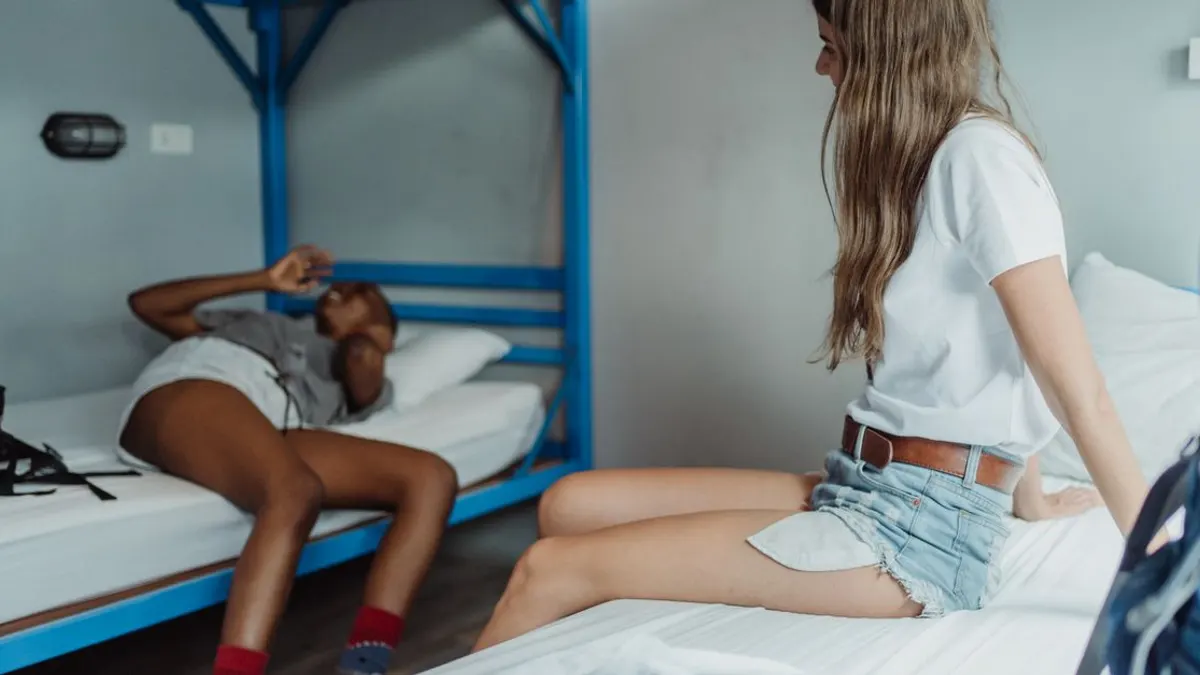
Standards vary enormously, so it pays to know what you’re booking. At the budget end, expect basic dormitories sleeping 6–12, shared bathrooms, a self-catering kitchen and a communal lounge. Mid-range and boutique hostels — increasingly common in Dublin, Galway and Cork — offer en-suite pods, small private rooms, proper espresso machines and design-conscious interiors.
Most Irish hostels are independently run, which tends to mean more local character and staff who actually know the area. A few larger chains operate too, useful if you want consistent linen standards and 24-hour check-in. Look for hostels affiliated with Hostelling International (An Óige in the Republic, YHANI in Northern Ireland) if you want a reliable baseline.
Key things to check before booking:
- Lockers: Essential for dormitory stays — bring your own padlock or confirm they supply one.
- Towels: Many hostels charge a small rental fee; pack a travel towel to avoid the hassle.
- Curfews: Rare in cities, but some rural An Óige properties have access restrictions. Check the small print.
- Breakfast: Not standard in Irish hostels, unlike bed and breakfasts in Ireland. Budget for a nearby café.
Hostels in Dublin
Dublin has the island’s most competitive hostel market. The best-located properties cluster around Temple Bar, Christchurch and the south side of the Liffey — walkable to Trinity College, Grafton Street and the main museums. Parnell Square on the north side offers quieter streets and slightly lower prices.
Avoid booking the very cheapest dorms in Temple Bar if you’re a light sleeper: the area’s nightlife is genuinely lively until 2–3 am on weekends. A short walk to Portobello, Rathmines or even Smithfield buys you peace without losing central convenience.
For a deeper look at neighbourhoods and what suits different travel styles, see our guide to where to stay in Dublin.
We may earn a commission from bookings, at no extra cost to you.
Hostels in Galway City
Galway is arguably Ireland’s best city for solo travellers, and the hostel scene reflects that. Properties along Eyre Square and the Latin Quarter put you seconds from the pubs, street performers and the famous Saturday market. Galway is also a natural base for day trips to Connemara and the Aran Islands.
The city fills up fast during the Galway Races (late July/early August) and the Galway International Arts Festival (mid-July) — prices spike and even dormitory beds sell out weeks in advance. Our guide to where to stay in Galway City covers the full accommodation spectrum if you need a fallback.
Hostels Along the Wild Atlantic Way
The Wild Atlantic Way stretches over 2,500 km from Donegal to Cork, and good-value hostels are dotted along the entire route — handy if you’re driving or cycling the coast.
County Clare & the Cliffs of Moher
Doolin is the single best hostel village on the west coast. A tiny place with three pubs (all with nightly trad music) and a short drive from the Cliffs of Moher, it punches far above its weight. Beds fill quickly in summer. See our Doolin & Cliffs of Moher accommodation guide for specific options.
County Kerry
Killarney has a well-developed hostel scene catering to Ring of Kerry and Gap of Dunloe visitors. Dingle, further west, is smaller but the hostels there tend to have outstanding views and direct access to the Slea Head Drive. Our guides to where to stay in Killarney and where to stay in Dingle go into more detail.
Connemara & Donegal
These are the two most dramatic landscapes in the Republic, and both have independent hostels that feel genuinely remote — in the best possible sense. Clifden (Connemara’s main town) and Dunfanaghy (Donegal) are reliable bases. More on the options in our Connemara accommodation guide and Donegal accommodation guide.
Hostels in Belfast & the Causeway Coast
Northern Ireland is often overlooked by backpackers, which keeps prices lower and queues shorter. Belfast’s Cathedral Quarter and the university area around Queen’s both have solid hostels within walking distance of the city’s thriving food and music scene. From Belfast, the Causeway Coast — including the Giant’s Causeway and the Dark Hedges — is under 90 minutes by bus or car.
Hostels vs Other Budget Options
If a private room is more your style but hotels feel too anonymous, consider guesthouses in Ireland or a traditional B&B. Both typically cost €60–€100 per night for a double — more than a dorm bed, but comparable to a private room in a central hostel. Self-catering accommodation makes sense for groups of three or more sharing costs.
When to Book
Summer (June–August) is high season across Ireland, and good hostels sell out fast — particularly in Galway, Doolin, Killarney and Dingle. Book dorm beds at least 3–4 weeks ahead for July and August. January to March is the right time to secure summer stays at the best rates; many popular properties release their summer calendar in early January. Bank holiday weekends (Easter, June bank holiday, August bank holiday) behave like mini-peak seasons even outside summer — plan accordingly.
FAQ
Are hostels in Ireland safe? Yes, the vast majority of Irish hostels are safe and well-managed. Use the lockers provided for valuables, choose properties with recent reviews, and trust your instincts on arrival. An Óige and YHANI affiliates are inspected regularly.
What is the cheapest time to stay in an Irish hostel? November through February offers the lowest hostel prices across the island, with the exception of Christmas and New Year. Shoulder seasons (April–May and September–October) balance good weather with more reasonable rates.
Can families stay in Irish hostels? Some hostels offer family rooms, but it’s worth confirming directly with the property. For a more comfortable family experience, family-friendly accommodation in Ireland covers dedicated options including holiday homes and self-catering cottages.
Related: Where to Stay in Ireland — Hub · Accommodation Types in Ireland · Getting to Ireland: Ferries, Flights & Car