Money in Ireland: Currency, Cards & Tipping
Planning a trip to Ireland and wondering what currency to bring, whether cards are accepted everywhere, or how much to tip at a pub? Getting your head around the money side of an Irish holiday is simpler than you might expect — but there is one important wrinkle most visitors overlook: Ireland uses two currencies. Here is everything you need before you go.
Which Currency Does Ireland Use?
The currency in Ireland depends on which part of the island you are visiting.
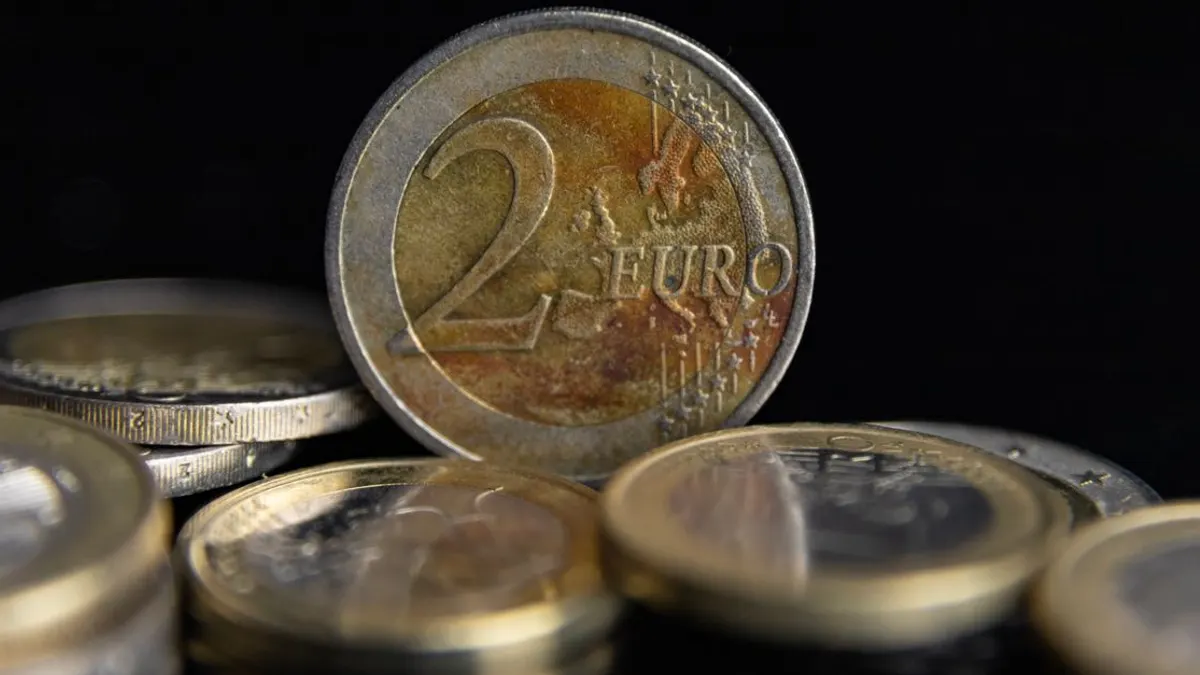
Republic of Ireland uses the euro (€), divided into 100 cents. Notes come in denominations of €5, €10, €20, €50, €100, €200, and €500, though the larger notes are rarely accepted in everyday shops.
Northern Ireland — which includes Belfast, the Causeway Coast, and the Glens of Antrim — is part of the United Kingdom and uses pound sterling (£). The most common notes you will handle are £5, £10, and £20.
If you are road-tripping across the whole island, you may need both currencies. Some border towns in Donegal or along the Fermanagh Lakelands will accept either, but do not count on it — always check before you cross.
Where to Get Euros and Sterling
The best exchange rates are almost always found by withdrawing cash from an ATM (called a “hole in the wall” locally) after you arrive. Airport kiosks and hotel desks charge a significant mark-up.
- Dublin Airport has ATMs in both the arrivals hall and the departures area — use them rather than the currency booths.
- City-centre ATMs in Dublin, Cork, and Galway offer competitive rates. Stick to bank-branded machines (AIB, Bank of Ireland, Ulster Bank) and decline the option to convert to your home currency at the machine — this is Dynamic Currency Conversion (DCC) and it always gives you a worse rate.
- Rural areas: ATMs can be sparse on the Wild Atlantic Way or in Connemara. Stock up with cash before heading into remote countryside.
Card Payments in Ireland
Ireland is largely cashless-friendly in cities. Contactless payments (up to €50 per tap, sometimes higher with your bank’s app) are accepted in most supermarkets, restaurants, and pubs. Visa and Mastercard dominate; American Express is patchy outside larger hotels.
Where cash is still king:
- Small guesthouses and B&Bs in rural areas — always ask when booking
- Weekly craft markets (Galway’s Saturday market, Kenmare’s farmers market)
- Car boot sales and roadside farm stalls
- Taxis in smaller towns
If you are staying in a remote self-catering cottage or a pet-friendly country cottage, it is worth keeping €50–€100 in small notes for local shops and honesty boxes on country lanes.
Budgeting: What Does Ireland Cost?
Ireland sits firmly in the mid-to-premium bracket for European travel. A realistic daily budget (excluding accommodation) for one person:
| Budget level | Daily spend |
|---|---|
| Backpacker (hostel meals, self-catering) | €40–€60 |
| Mid-range (sit-down meals, a few pints) | €80–€130 |
| Comfortable (good restaurants, experiences) | €150–€200+ |
Accommodation is the biggest variable. A bed and breakfast in the Irish countryside typically runs €70–€110 per night for a double, while luxury hotels in Dublin can exceed €300 during summer weekends.
When to book: Demand peaks between June and August, particularly around bank holiday weekends. Booking early — especially for castle hotels, glamping pods, and coastal cottages — can save you 15–25% compared to last-minute rates.
We may earn a commission from bookings, at no extra cost to you.
Tipping in Ireland: What Is Expected?
Tipping culture in Ireland is more relaxed than in North America but more common than in some parts of Europe. Here is the practical breakdown:
Restaurants: 10–15% is standard if service is not already included. Always check the bill — some Dublin city-centre restaurants add a discretionary service charge. If they do, you are not expected to add more on top.
Pubs: Tipping in a pub is not standard. If you want to show appreciation for good craic or an especially attentive bar person, you can say “and one for yourself” — this allows the bar staff to add a drink to your tab as a tip. It is a genuine Irish tradition, not just a saying.
Taxis: Round up to the nearest euro or add €1–€2 on a typical city ride. For longer journeys (e.g., airport to hotel), 10% is appreciated but not mandatory.
Hotels: Tipping porters €1–€2 per bag is appreciated; housekeeping €2–€5 per night is discretionary.
Using Your Phone to Pay
Apple Pay and Google Pay are widely accepted across the Republic of Ireland and in Belfast. Most payment terminals in supermarkets, chains, and tourist sites will take a tap from your phone without issue.
For connectivity, a local eSIM is worth considering — it keeps you online for maps and translations without roaming charges, which matters when you are navigating the Ring of Kerry or finding a cash machine in County Donegal.
A Quick Note on Northern Ireland
If you are visiting Belfast or heading along the Causeway Coast to see the Giant’s Causeway, remember: pound sterling only. Euros are not accepted in mainstream Northern Irish shops. You can exchange at the major banks in Belfast city centre, or simply use your debit card and let your bank handle the conversion at the interbank rate.
Planning where to stay in Belfast or along the north coast? Factor in that prices in Northern Ireland are generally a little lower than equivalent accommodation in the Republic.
FAQ
Q: Can I use euros in Northern Ireland? A: Generally, no. A handful of businesses in border towns may accept euros informally, but you cannot rely on it. Use pound sterling or pay by card.
Q: Do Irish pubs accept contactless payments? A: Most pubs in cities and larger towns do. In rural villages, some older establishments are cash only. It is always worth checking before you order a round.
Q: Is there a currency exchange at Dublin Airport? A: Yes, there are currency exchange desks at Dublin Airport, but the rates are poor. You will get a better rate from ATMs inside the terminal or at your bank before departure.
Related: Planning your trip to Ireland · 7-day Ireland itinerary · Travel insurance & car hire essentials