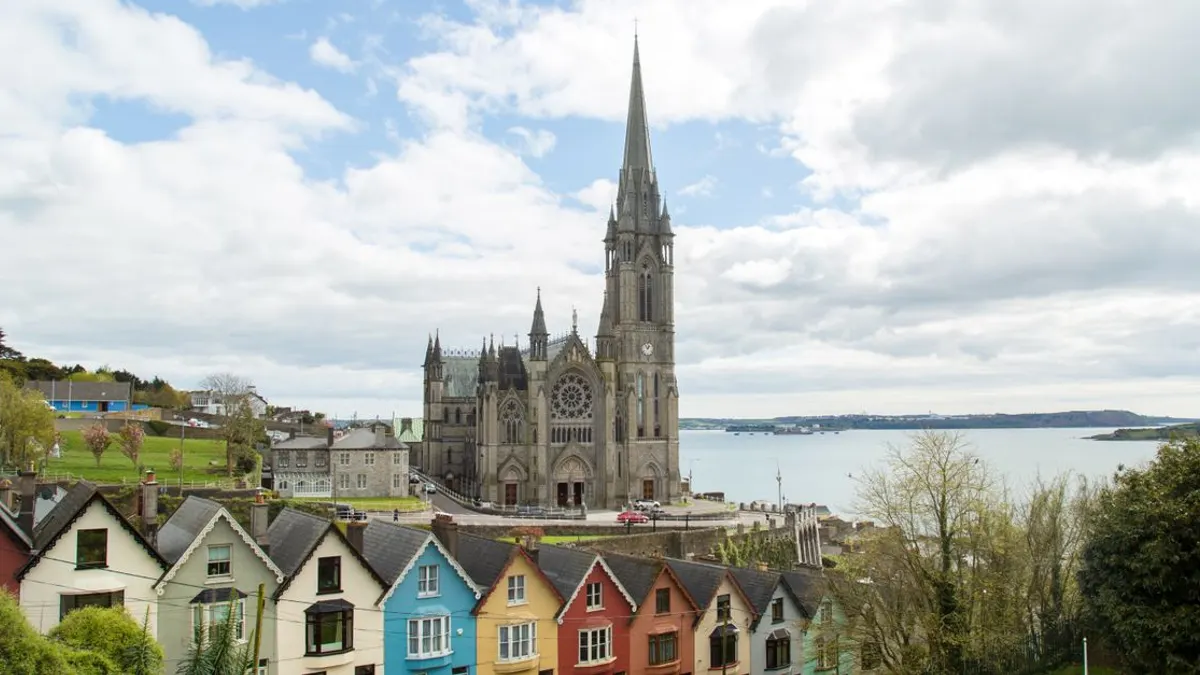
Cottages in West Cork
West Cork is the kind of place that surprises people. You arrive expecting pretty scenery and leave having fallen headlong for the light on Roaringwater Bay, the smoke from a turf fire, the long silence before the Atlantic wind picks up again. West cork cottages are the natural way to experience all of it — at your own pace, on your own schedule, with mud on your boots and a proper kettle on the hob.
This guide covers the main areas, what to look for, and how to plan a stay that actually delivers on the promise of this extraordinary corner of Ireland.
Why Choose a Cottage in West Cork?
Hotels are fine for a night or two, but West Cork rewards slow travel. A self-catering cottage lets you pick up smoked salmon from the Skibbereen Saturday market, cook it that evening, and walk off dinner on a headland path with nobody else in sight. It also makes financial sense for families or groups — self-catering properties in Ireland typically work out considerably cheaper per head than hotel rooms, especially across a week-long stay.
West Cork also pairs naturally with County Kerry next door, and many visitors combine both on a west coast road trip.
Mizen Head and the Mizen Peninsula
The Mizen Peninsula stretches south-west from Bantry to Mizen Head, Ireland’s most southerly point. Villages like Schull and Ballydehob anchor a scattering of cottages ranging from converted stone farmhouses to modern builds with sea-view decks. Schull itself is small but punchy: an independent bookshop, excellent fish, a planetarium, and a working harbour where oyster boats come in.
Look for cottages on the elevated northern slopes — they catch the morning sun and often have views across Roaringwater Bay towards the Fastnet Rock. Walking trails criss-cross the peninsula, and the drive to Mizen Head Signal Station is worth every hairpin bend.
Sheep’s Head Peninsula – the Quieter Choice
Less visited than Mizen or the Beara, the Sheep’s Head Peninsula rewards guests who specifically want to be left alone. There are very few shops and no large towns — which is exactly the point. Cottages here tend to be older stone buildings, let by local families, with turf or wood-burning stoves and gardens that run to the cliff edge.
The Sheep’s Head Way is a signposted walking loop of around 88 km that takes in the full peninsula. It is well-suited to being walked in sections over a week, with your cottage as a base between stages. This is a corner of the Wild Atlantic Way that genuinely earns the name.
Beara Peninsula and Castletownbere
The Beara straddles Cork and Kerry, with Castletownbere its main town — a working fishing port with a down-to-earth character quite different from the more polished villages of Mizen. Cottages on the south-facing slopes above Bantry Bay get extraordinary views and — by West Cork standards — relative shelter from the prevailing south-westerlies.
The Beara Way walking route and the cable car to Dursey Island (the only inhabited island cable car in Ireland) add activity value that keeps guests busy across a full week. Kenmare in Kerry is a short drive over the Healy Pass, so a stay in Kenmare combined with a Beara cottage is a manageable combination.
Skibbereen and Lough Hyne
Skibbereen is West Cork’s unofficial capital: a market town with a strong food culture, a striking famine heritage museum, and good transport connections. It makes a sensible base for guests who want a cottage within walking or cycling distance of amenities. Several cottages sit on the shores of Lough Hyne, Europe’s first marine nature reserve — a tidal saltwater lake where bioluminescence occasionally lights the water at night.
If Cork city is your arrival or departure point, the N71 through Bandon and Clonakilty is a straightforward drive, and Clonakilty itself — with its strong traditional music scene — is worth an evening stop.
Glengarriff and Bantry Bay
Bantry Bay is sheltered enough to feel almost Mediterranean on a clear day. Glengarriff, at its head, sits within the Caha Mountains and has an unusually mild microclimate that supports subtropical gardens on Garnish Island (reached by a short boat trip). Cottages in this area suit guests who want mountain walking, kayaking and island-hopping from a single base.
Bantry town hosts a weekly farmers’ market and the fine Bantry House, an 18th-century estate open to visitors. The town is roughly equidistant from Cork and Killarney, making it a natural midpoint on a longer Ireland road trip.
Practical Tips for Booking West Cork Cottages
Book early for peak season. July and August fill fast, and genuinely good coastal cottages — particularly anything with a sea view or direct beach access — are often taken by January. If you are flexible on dates, May and September offer nearly as much daylight with meaningfully lower prices and fewer crowds.
A car is essential. Public transport in rural West Cork is limited. Driving on narrow country lanes requires some adjustment, especially for visitors from the Continent or North America — read our driving in Ireland guide before you travel.
Check the stove situation. A solid-fuel stove or open fire is not a luxury in West Cork — it is often necessary from September through May. Confirm fuel is supplied or at least available locally before you book.
Travel insurance is worth it. Ferry crossings to islands, outdoor activities and changeable Atlantic weather all make a comprehensive policy sensible. See our travel insurance and car hire guide for options suited to Ireland visitors.
Browse and Book West Cork Cottages
We may earn a commission from bookings made through links on this page, at no extra cost to you.
When to book: Demand for the best west cork cottages peaks between January and March as summer holidays are planned. Booking in autumn for the following summer is not unusual for the most sought-after properties.
FAQ
What is the best area in West Cork for a cottage holiday? It depends on your priorities. Schull and the Mizen Peninsula suit guests who want a village base with good food and easy access to beaches. Sheep’s Head is best for solitude and walking. Glengarriff and the Beara suit those who want mountain scenery with some shelter from Atlantic weather.
Do I need a car to stay in a West Cork cottage? Yes, in almost all cases. West Cork’s rural character is part of its appeal, but it also means public transport is sparse. Most cottages are in or near small villages rather than towns, and you will need a vehicle to shop, explore the coastline and reach the main attractions.
When is the best time to visit West Cork? Late May through September gives the best combination of weather, daylight and open attractions. June and July offer the longest days. September is often underrated — quieter, still warm enough for swimming, and the heather on the headlands is at its finest. For best time to visit Ireland more generally, see our seasonal guide.
Related: Cottages in Connemara · Wild Atlantic Way Accommodation · Pet-Friendly Cottages in Ireland