Staying Connected in Rural Ireland: A Traveller's Guide
If your trip includes a countryside cottage, a coastal self-catering home, or a farmhouse stay, staying connected in rural Ireland is rarely as simple as it looks on a map. Mobile coverage and home broadband both behave differently once you leave the main routes and head toward the hills, the coast, or the islands. This guide covers what to realistically expect from WiFi and mobile signal outside the cities, and how to make sure you are never left without a working connection between two lovely, remote stays.
Why Connectivity Works Differently in the Irish Countryside
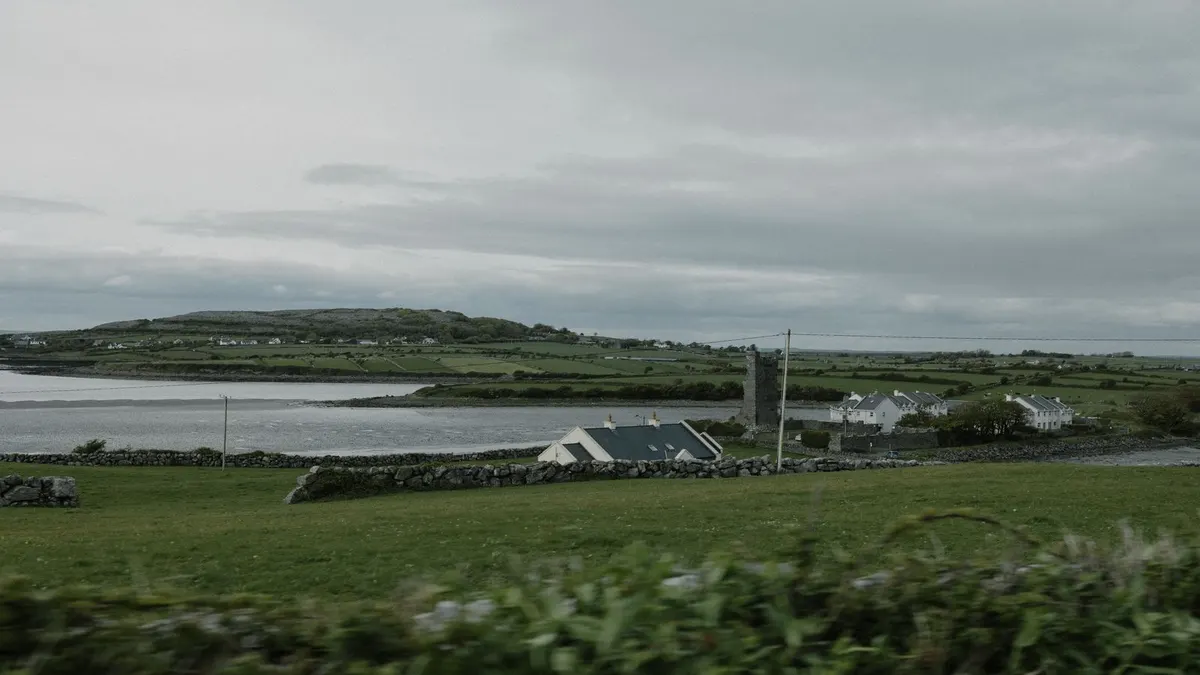
Ireland's mobile networks cover the country well on paper, but coverage maps rarely capture what happens inside a stone cottage with thick walls, at the bottom of a valley, or along a cliff road battered by Atlantic weather. A handful of factors explain the gap between the map and the reality guests actually experience:
- Low population density in the west and northwest means fewer masts spread across a much larger area than in Dublin or Cork city.
- Terrain such as mountains, bogland, and sea cliffs can block or weaken a signal even a short distance from a working mast.
- Shared rural broadband lines in some townlands still rely on older fixed wireless or satellite links rather than fibre.
- Weather, particularly wind and heavy rain off the Atlantic, can disrupt both broadband and mobile signal for hours at a time.
None of this means you will be cut off. It simply means a bit of planning goes a long way, especially if you need to work, navigate, or simply keep in touch with home during a stay far from a town centre.
WiFi in Cottages and Self-Catering Stays: What to Really Expect
Most self-catering cottages and holiday homes now advertise WiFi as standard, but the quality varies enormously depending on location. A cottage a few minutes from a village will usually have a stable fibre connection, while a remote property overlooking the Atlantic may rely on a wireless broadband link that drops during storms or peak evening hours when several nearby homes share the same signal.
| Accommodation type | Typical WiFi reliability | Best backup option |
|---|---|---|
| City hotel or B&B (Dublin, Cork, Galway) | Strong and stable | Rarely needed |
| Village guesthouse or town cottage | Good, occasional dips | Mobile data on hand |
| Coastal or countryside cottage | Variable, weather dependent | Personal mobile data plan |
| Farmhouse, glamping, or island stay | Weak or unavailable | Mobile data essential |
If you are booking a stay through our self-catering guide, it is worth messaging the host directly to ask about the actual broadband setup rather than relying on a generic listing description. Hosts who live locally usually know exactly which corner of the house gets the best signal.
Mobile Data as Your Backup Plan
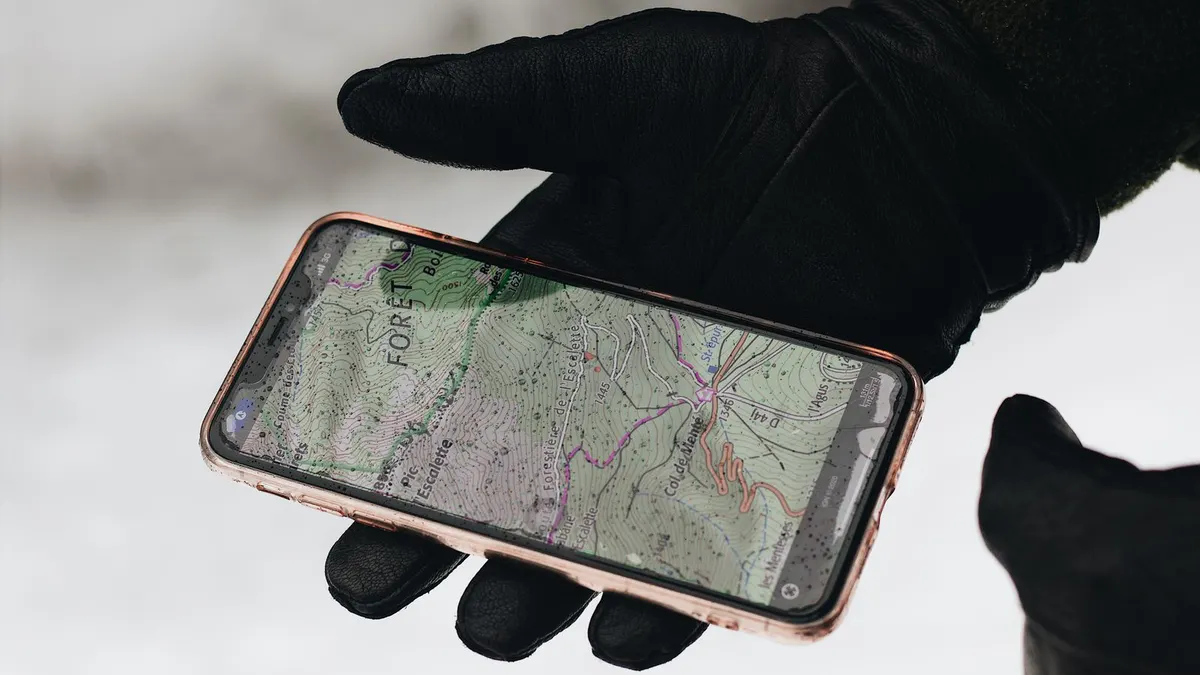
Because cottage WiFi can drop with the weather, having your own mobile data is the simplest way to stay online for maps, messages, and bookings regardless of what the router is doing. This matters even more if your trip covers several regions, since a network that performs well in Kerry is not always the strongest choice in Donegal or on the islands.
An eSIM is generally the easiest option for visitors, since it can be activated before you land and does not require a shop visit or a physical card swap. The plans and network partners behind each eSIM differ, though, which is why it helps to compare options rather than buy the first one you see at the airport. Comparison sites such as MyBestSim let you check data allowances, prices, and network coverage for Ireland side by side before you travel, so the choice is informed rather than rushed.
If this is your first time setting up a digital SIM, our eSIM guide for Ireland walks through device compatibility and activation step by step, which pairs well with the comparison above once you know what to look for.
Practical Tips for Staying Connected on the Road
A little preparation before you leave the city removes most of the stress of patchy rural coverage:
- Download offline maps for your full route before leaving Dublin, Cork, or Shannon airport.
- Check regional coverage in advance if your itinerary includes remote stretches such as the Wild Atlantic Way, where signal can fade between towns.
- Ask your host about the router, including where it sits in the house and what to do if it needs a reset after a power cut.
- Carry a power bank, since a phone with no charge is no help even with full signal.
- Keep a backup data plan active for the days you are between accommodations, particularly on transfer days across the country.
For a broader picture of national coverage, Ireland's telecoms regulator publishes an independent mobile coverage map, and the ongoing rural rollout is tracked by National Broadband Ireland. Both are useful if you want to check a specific townland before booking a remote stay.
Frequently Asked Questions
Does every Irish cottage have WiFi?
Most do, but quality varies. Village and town cottages tend to be reliable, while remote coastal or hillside properties can experience drops during bad weather.
Is mobile signal reliable on the Wild Atlantic Way?
It is generally good near towns and villages but can weaken along exposed cliff sections and in valleys. Downloading offline maps in advance is a sensible precaution.
Should I set up mobile data before arriving in Ireland?
Setting up a data plan before you land avoids relying entirely on a cottage's WiFi and means you are covered immediately, even in areas with limited broadband.
What should I do if my cottage's WiFi goes down?
Ask the host about resetting the router first, since a power flicker is the most common cause. Your own mobile data plan is the simplest fallback while it comes back online.